Road bikes and cyclocross bikes and gravel bikes and all-road bikes all come with drop bars.
But most riders of these bikes that I see out and about don’t take advantage of the benefits that drop bars offer.
I ride on the road with a couple of different bunches. And I race cyclocross at Qld CX events. And I ride around Brisbane and SEQ a lot. And I would say 90-95 percent of riders I see almost never use the drops.
There are two major benefits of riding in the drops:
- more aerodynamic position than on the hoods
- better control when braking and descending
And there’s one reason that most bike riders don’t use the drops:
- their sub-optimal bike setup means that its not comfortable
So what do you get out of being able to use the drops as an option when riding road or cyclocross or gravel?
Well, firstly it’s an option. I don’t ever spend a whole ride, or even a whole race, in the drops. Hands on the hoods, elbows relaxed and bent, is still the most common position for me when on either the road bike or the cyclocross (CX) bike.
But there are two situations when I always move to the drops, and a third when there is also benefit to being down there.
The first situation is descending, whether on bitumen or gravel.
Before I go any further, I have to credit Anthony Mortimore as the person who explained these principles to me in a comprehensive and convincing way. He runs an excellent weekend course on climbing and descending on the road bike. If you get to the end of this piece and want to put some of these ideas into action, do Anthony’s course (although it seems these days that you might have to go to New Zealand to do it). It will make you a better, safer, faster rider.
So, when descending on a road bike or CX bike, you want to be in a position that gives you the best control for braking and the most even or centred weight distribution. Being in the drops (assuming that your bike fit is correct) gives you a position on the bike that is low and centred (fore & aft), and also gives a grip on the handlebars that is able to withstand unexpected impacts from the road surface.
If you descend with your hands on the brake hoods, as many riders do, a sudden hit to the bike from a pothole or bump in the road has the potential to weaken your grip or even dislodge it altogether. If you’re on the drops, the force of the same impact pushes your hands harder into the bars, rather than off them.
The second advantage when descending in the drops is in braking force. If you are in the drops, you can brace your weight through your arms against the bars, and get your weight nice and low when you are braking. Doing the same manoeuvre from the hoods again puts you at risk of your grip weakening, and your hands sliding forward off the bars.
The third advantage of this position when descending is that is gives you the best way of keeping your weight pushing down through your outside pedal, thus giving you the best possible traction, the best grip on the road.
The second situation to be on the drops is when riding single track trails.
This is probably only applicable to cyclocross or gravel bikes. I don’t think many people are taking to the trails in Gap Creek or Daisy Hill on their road bikes with 25mm tyres.
But all of the advantages that being in the drops gives you when descending, are ramped up to the max when riding single track. For me, it is mostly about leverage to get the maximum braking power. Riding a cyclocross bike on single track is already very challenging. Riding it on the hoods is just asking for a crash.
I’ve ridden my cyclocross bike on single track at Gap Creek, Daisy Hill and Underwood trails. And my experience of doing so merely emphasises to me that being in the drops is the position which gives the greatest level of control over your bike.
And the third situation when I like to be on the drops is when riding in the road bunch on a windy day.
Once again, there are situations in group riding where you want to be prepared for all eventualities, and also be as aero as possible. And that’s what being in the drops gives you, if your position is correctly set up.
On a windy day the bunch tends to be blown around a bit, and positioning can be tricky. In most non-racing situations, the bunch should not set up in an echelon, because the echelon increases your width in the lane, and will appear from behind as through the bunch is much more than two-abreast.
And so maintaining position in a cross-wind or a headwind in a two-abreast inline bunch requires greater concentration and your best ability to respond to a changing situation. As always, the solution to that is to be in the drops!
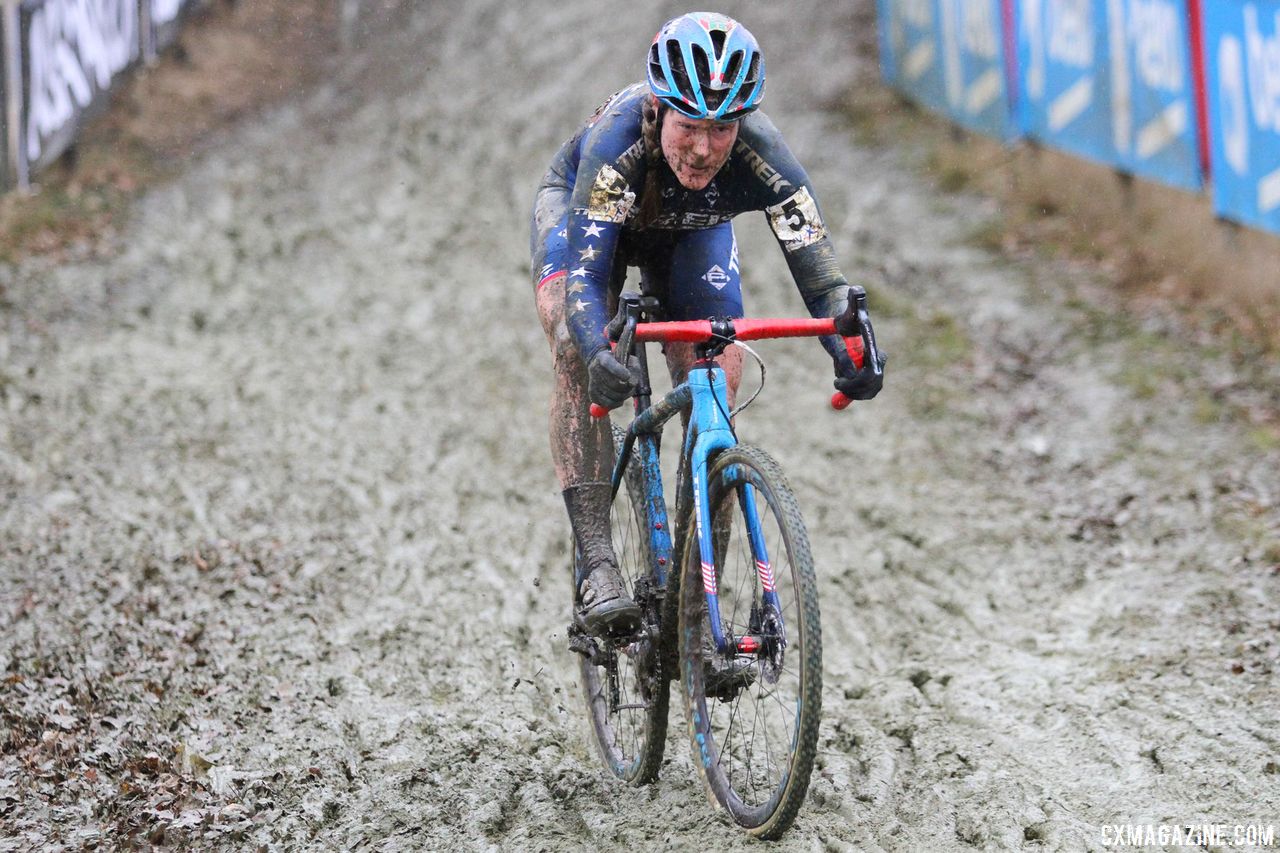
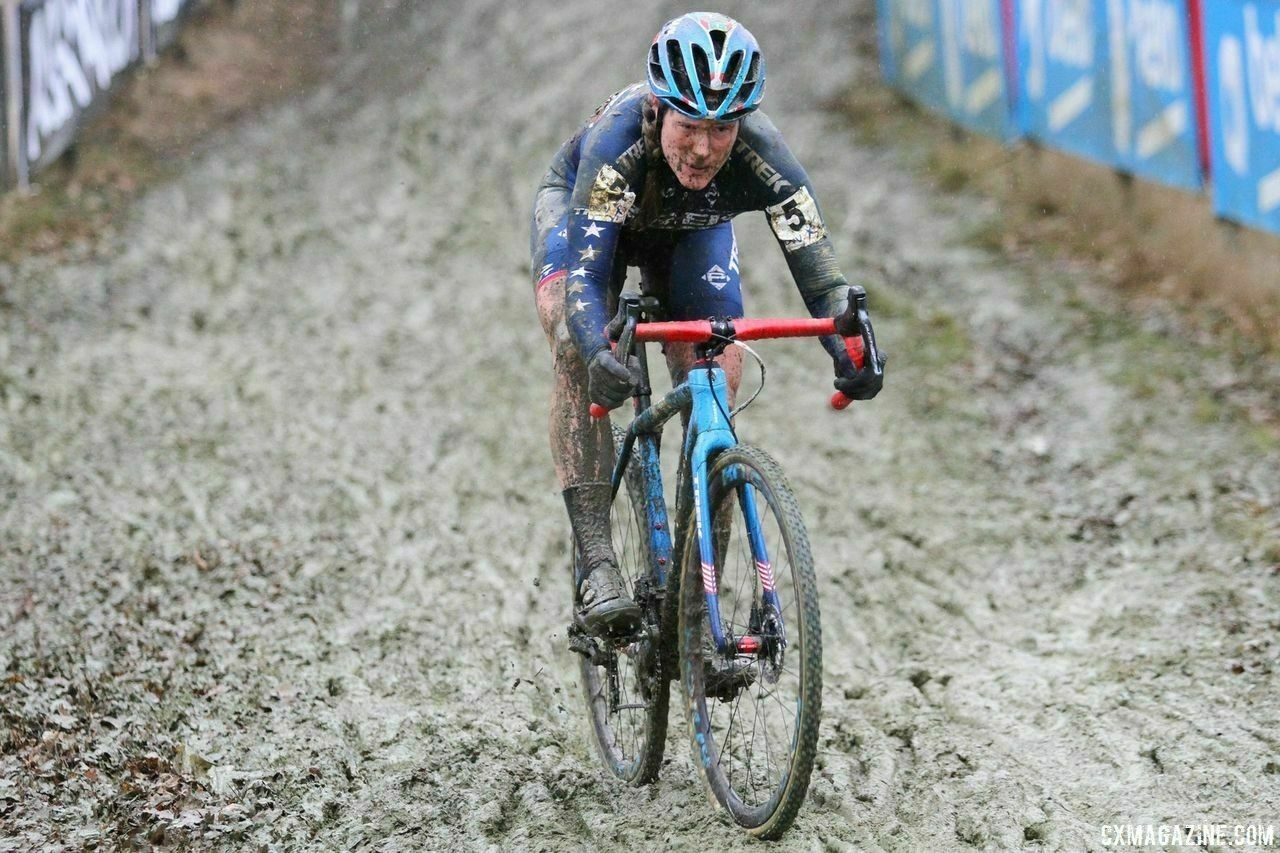
To sum it all up: Katie f’n Compton rides in the drops. You could learn heaps from Katie f’n Compton.