Review: Beeline Velo is an excellent bike computer for me
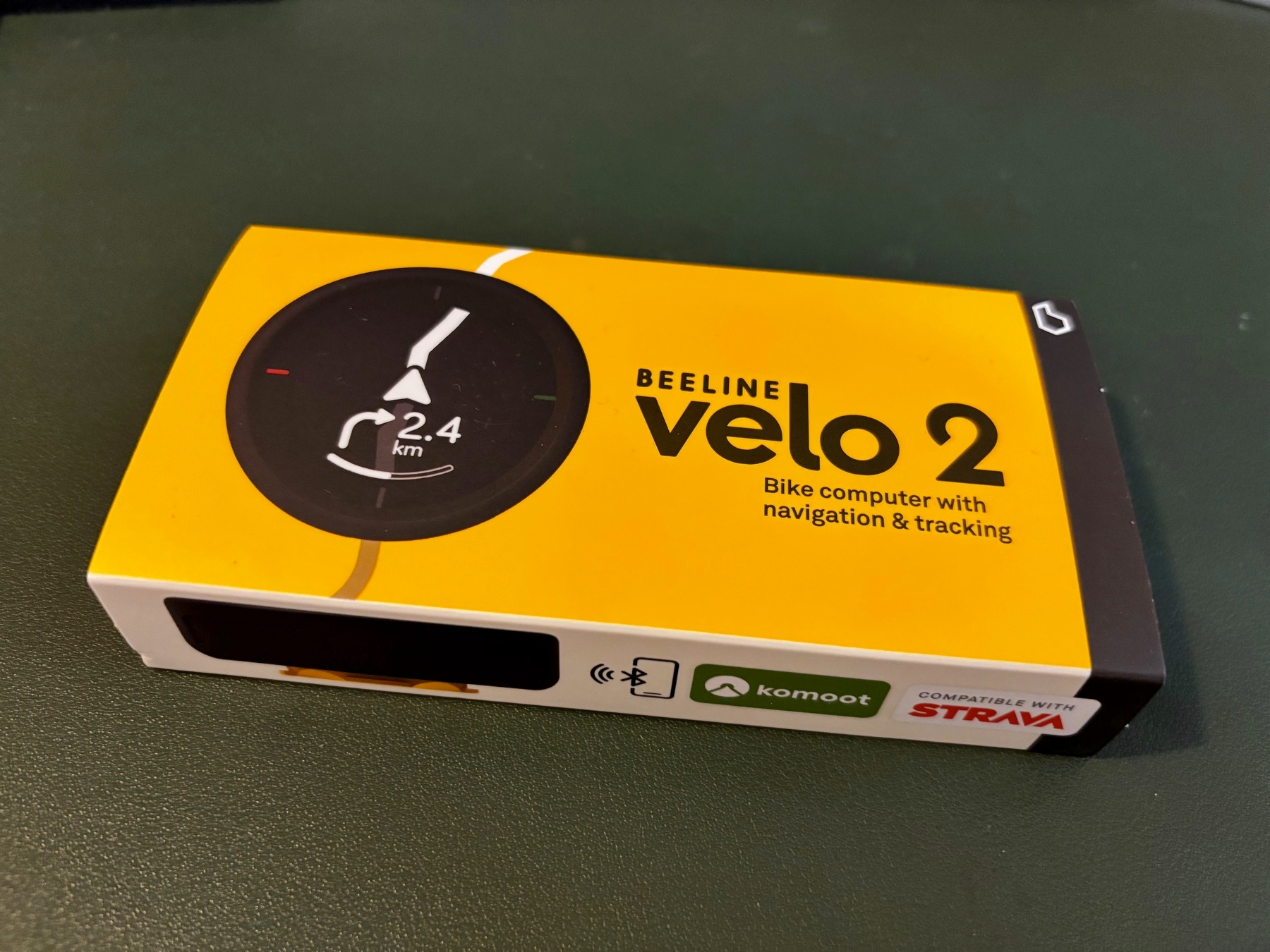
Bike computers are crazy expensive. Garmin’s cheapest current model on their website is listed at $500, and Wahoo Element Bolt is even pricier ($530). And these are the market-leading brands.
There are budget brands, such as Bryton and IGP Sport which come in around $100-200 for the entry level device. But for some mystery reason, many bike riders seem to be OK with paying more than $500 for their bike computers. I suppose if you spent $10,000 on your bike this makes sense?
Every rider has a slightly different use case for their computer. I wear an Apple Watch, and the main thing I want a bike computer to do is record stats for my rides. So I don’t bother with a computer on the handlebars for the majority of my rides. It’s recorded by the Strava app on my watch.
A computer on the handlebars, therefore, is not very important to me. I am not interested in how fast I am going. If I am riding with the bunch and I am not dropped, then I am going fast enough. If I am riding by myself, who cares what speed I’m going?
But there is a time when a bike computer is indispensable. That is when you need to navigate to your destination. For me this is when I am bike touring, but also for exploratory rides around the paths and back streets of Queensland cities and towns.
I am a super-user of the website ‘Ride With GPS’, and I have literally hundreds of routes planned there, going back to 2014.
And my experience of the Garmin Edge 530 is that following GPX tracks on a Garmin absolutely sucks.
The Garmin has a habit of telling me that I am off trail, and than I should take a U-turn to return to my course. This will happen when the road or trail I am following is outside the margin of error of the GPS device or the RideWithGPS plot, but still actually following the correct trail. And this is very common.
There are lots of tricks you can try to stop the Garmin doing this as you prepare the GPS file. None of them work all the time.
I have ridden for kilometres at a time with my Garmin device telling me to make a U-turn, when I know I am still on the right trail. This is, of course, infuriating.
The display of the Garmin 530 is also configurable to the nth degree. I am a person who fiddles with their gear, so have I ever gone through and optimised the 530 to show the data fields and display items that I want? No, I tried a couple of times and it was so complicated that I gave up.
But here’s what I’ve been doing for the last couple of years. I have left my Garmin 530 in the bedside drawer, and instead I use a Beeline Velo 2.
The Beeline Velo is a smaller device, which is made by a company in the UK. It’s round, and sits unobtrusively on handlebars or stem cap. Diameter is about 45mm, roughly the size of many sports watches (even though you mount it to bars or stem, you don’t wear it as a watch.
It does not have “buttons”, instead the body of the device and the base of the device have a defined click between them, which can be done on any of the four cardinal points of the compass. The click selects a menu item or navigates to another menu item.
And the main thing the Velo does better than any other device that I have tried, is provide clear navigation.
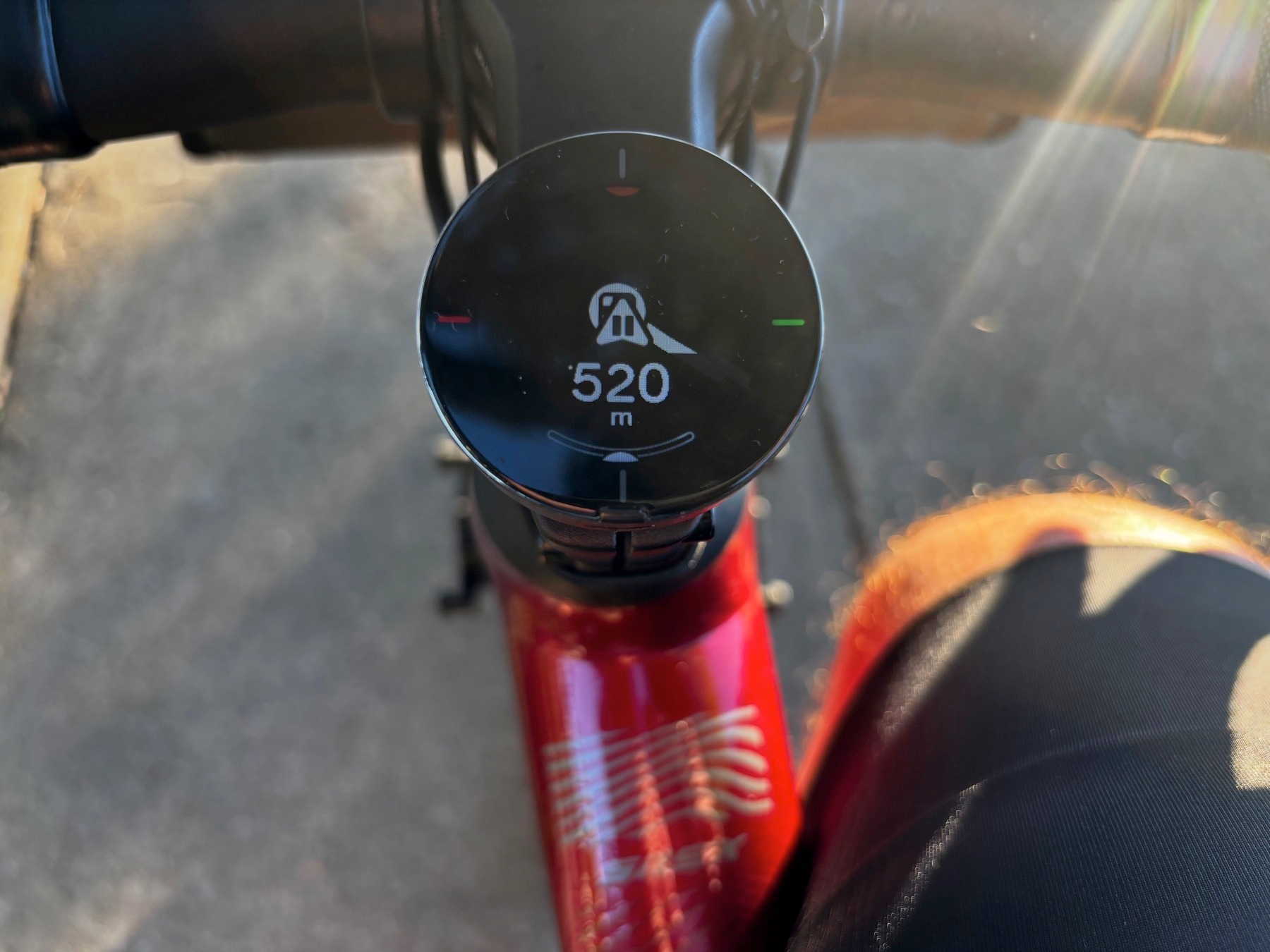
The device has a simple but cheerful aesthetic, all curves and bright colours. It is the most visible bike computer I have ever used. Often when navigating with the Garmin I would have to come to a stop to peer at the screen to understand what the map is saying. The on-screen map of the Garmin is usually at an attempt at accuracy, which fails by being too low-res.
That is never a problem with the Beeline. The device does not attempt a real on-screen map. Instead the Beeline shows you a stylised version of the upcoming intersection, and clearly highlights the way your route is indicating that you should go. It is much simpler and less detailed way to operate, but I find the Beeline a delight to navigate with, and the Garmin was simply painful.
OK, so the Beeline is much cheaper than the Garmin 530, and you like it better for navigation. There must be some downsides surely?
Yes, there are a couple of little quirks about the Beeline.
The first is that it does not have its own GPS chip. So it needs to be linked to your phone whenever it is operating, so that it can know where it is. And that creates a drain on your phone’s battery. If your iPhone (just as an example!) is getting to an age where the battery life is already problematic, then asking your phone to also do GPS navigation duties on behalf of the Beeline will not be a good thing.
The second downside is that the Beeline mount is not compatible with Garmin or Wahoo mounts. This is I think the only major drawback to the Beeline. I think the reason the designers have not simply used the Garmin mount is that the body-base click system used for menu selection means that the base has to be shaped accordingly. But it is still the only thing about the Beeline that I would change if given the chance.
The upside to no GPS chip is that the device is low cost (relatively). And I don’t have any occasion where I am deliberately leaving my phone at home. If I am out on a bike ride, my phone comes along too. My current iPhone is doing OK on the battery front at present.
The upside of the Beeline is just the delight of using the device, especially when compared with the frustrations of navigating on the Garmin. Battery life is adequate, not stellar. It charges via USB C. The mounting system works fine, but you need the Beeline mounts for both handlebar and stem cap mounts. Of course the 3D printing nerds are onto this.
I sold my Garmin 530 at a bargain price, because I had no further use for it.
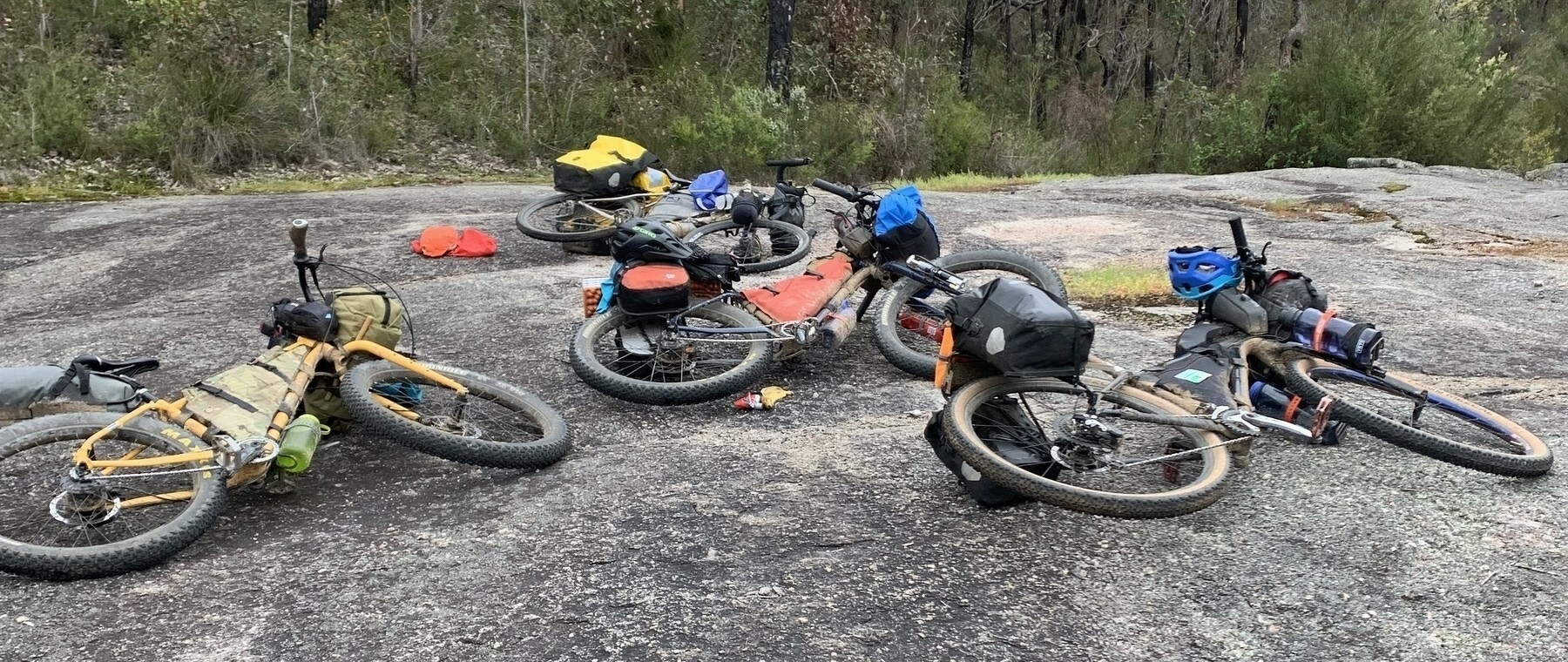
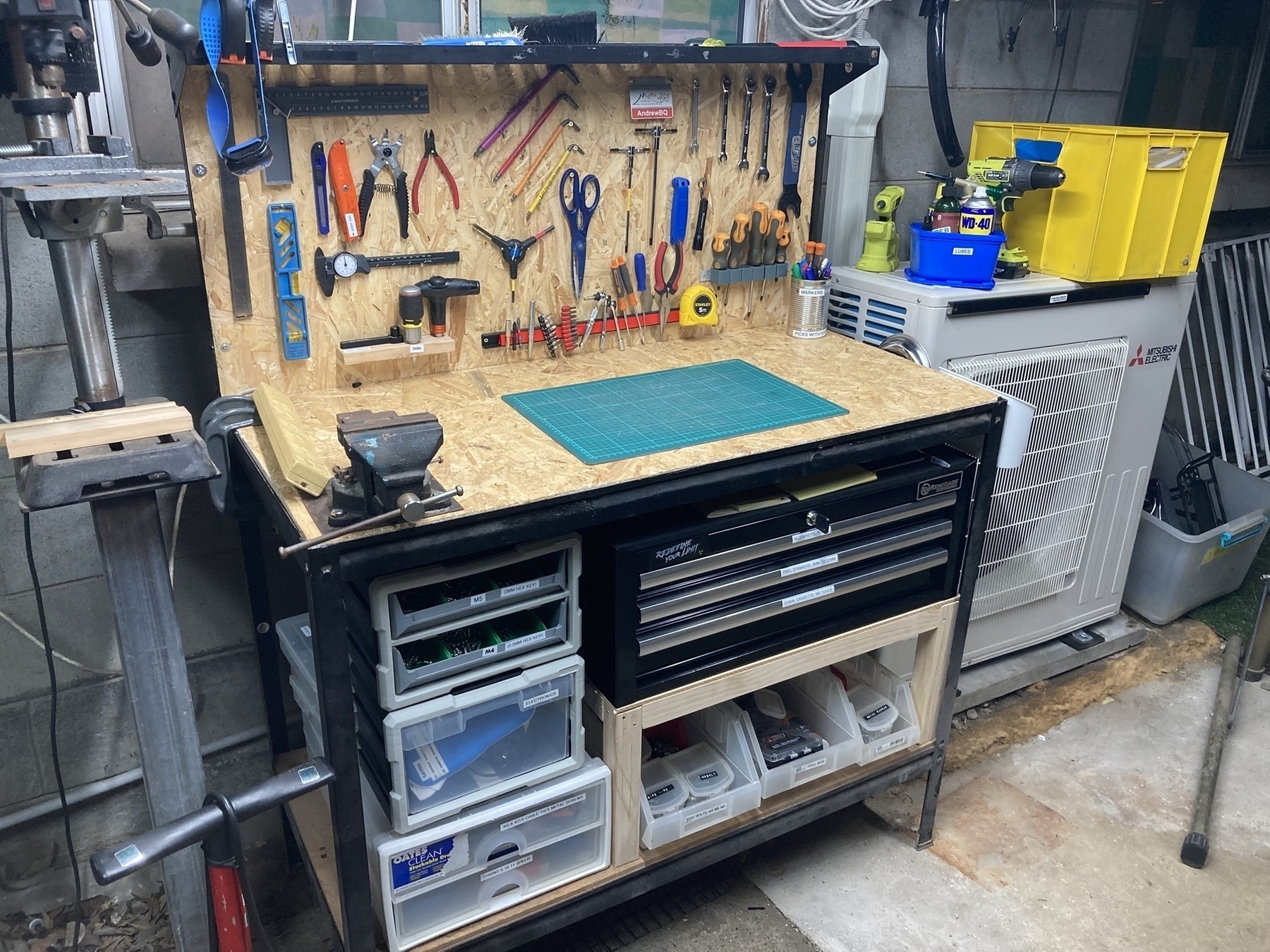
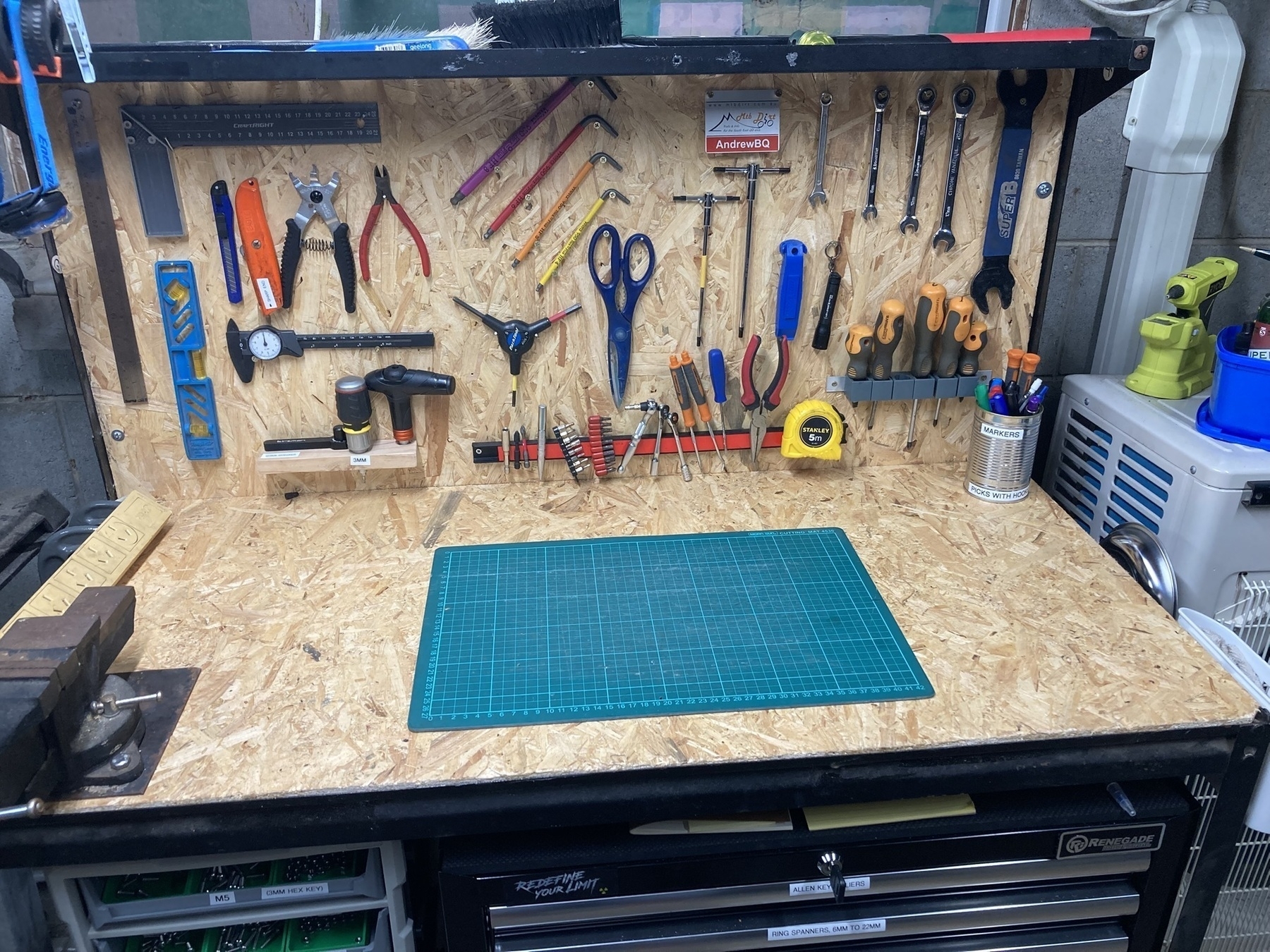
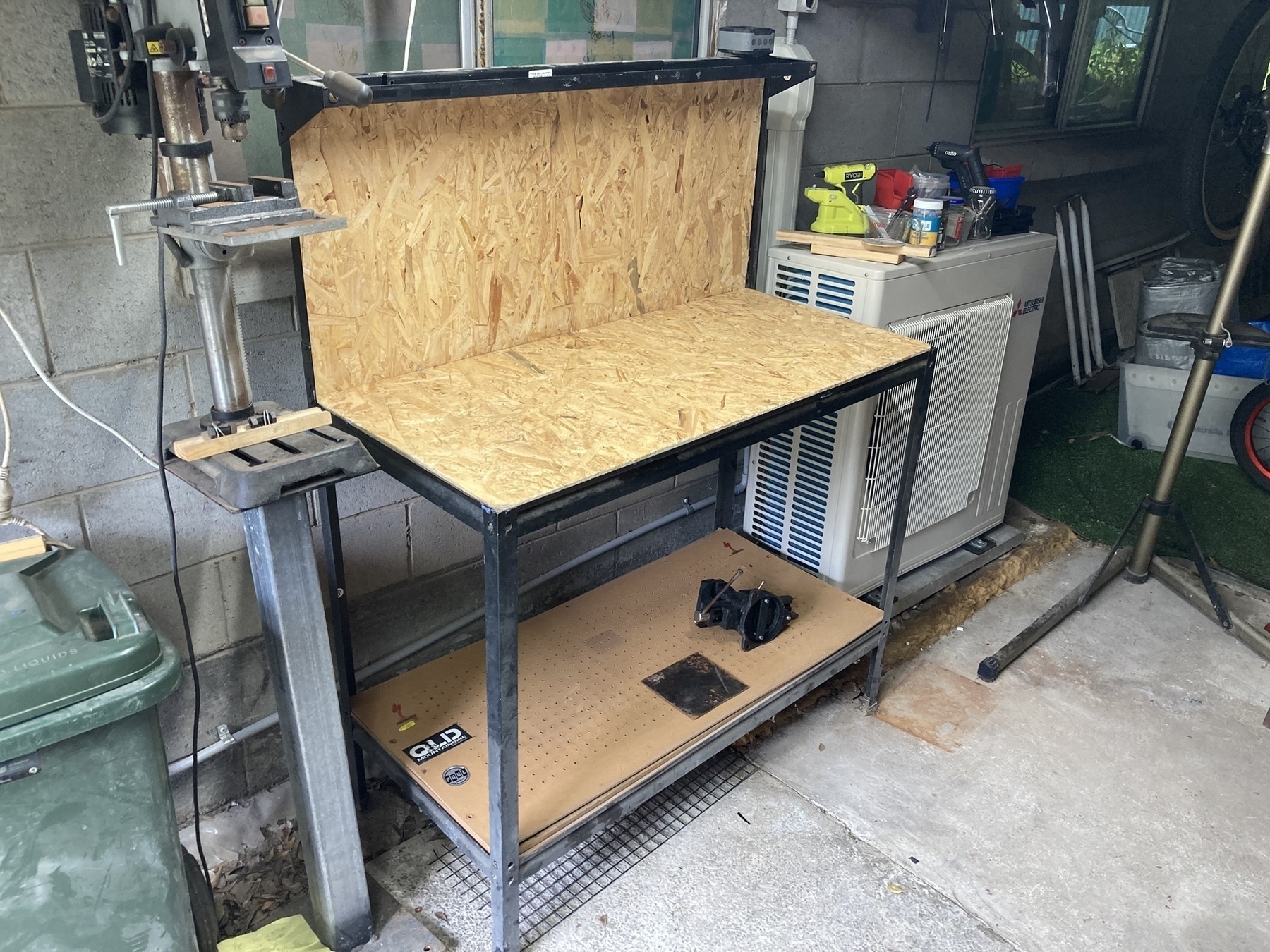
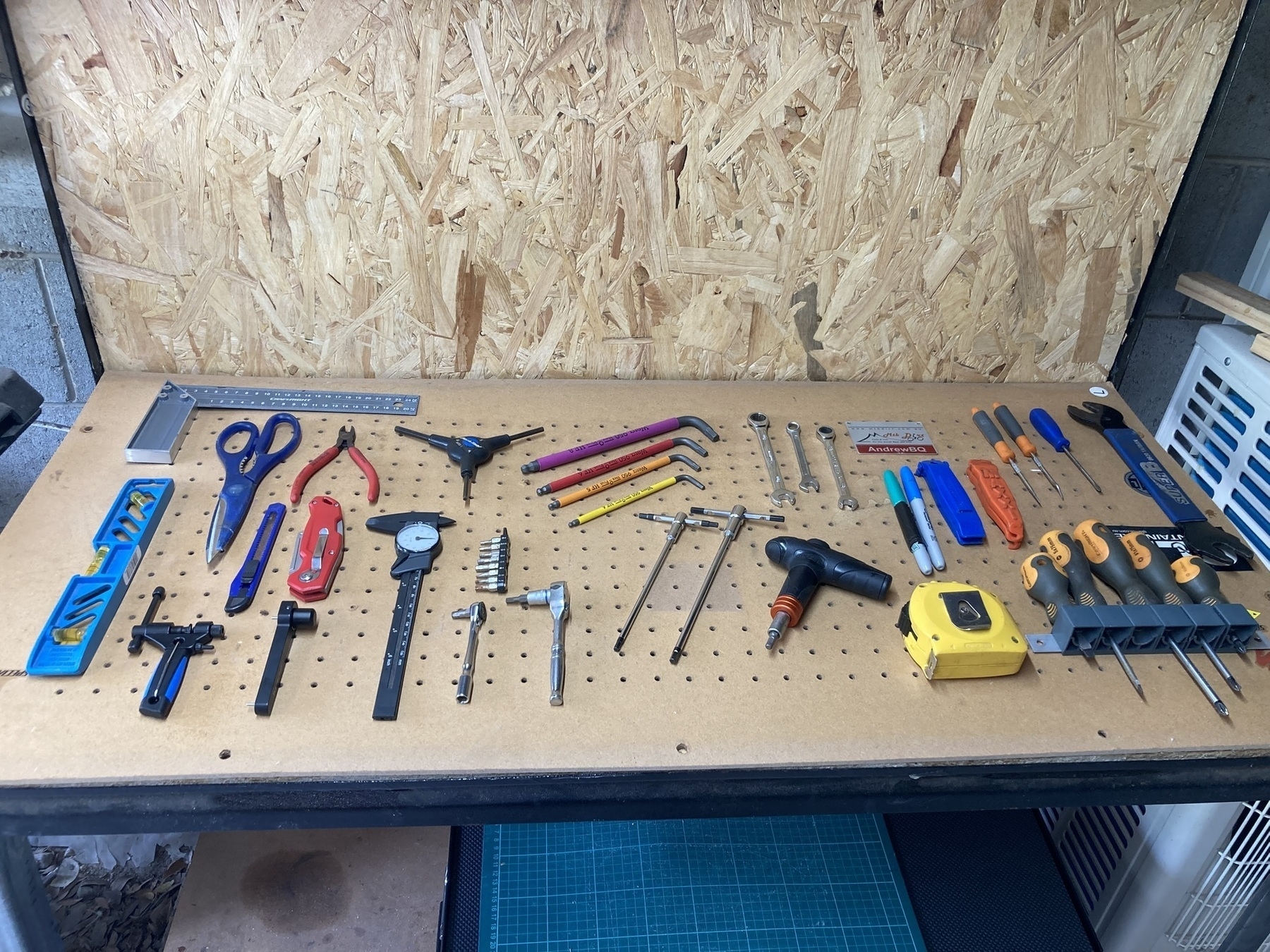
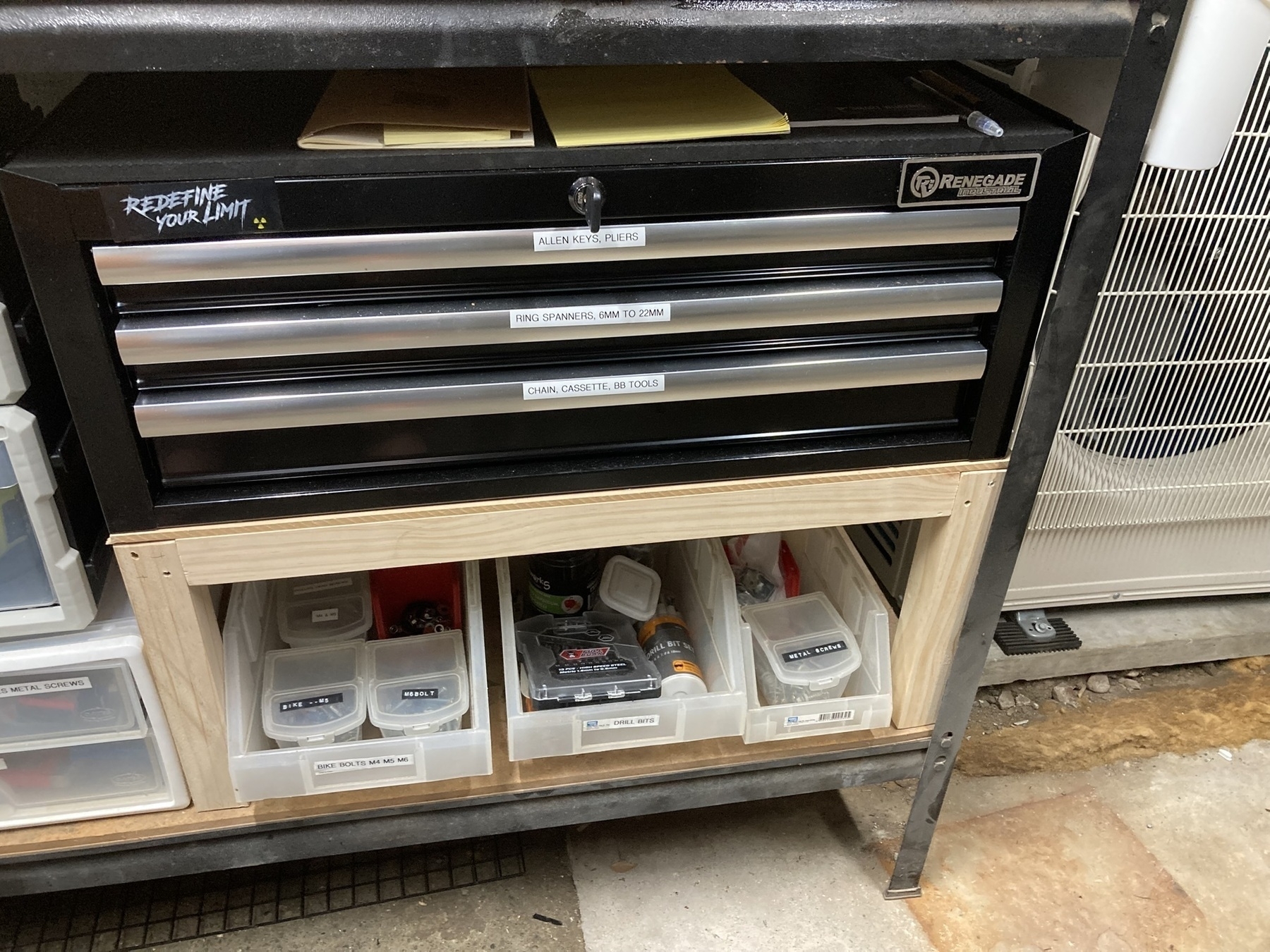 The 'highlight' here is the home-made stand the three-drawer tool chest is resting on. The simplest possible carpentry job, but doesn't mean it was that easy for me.
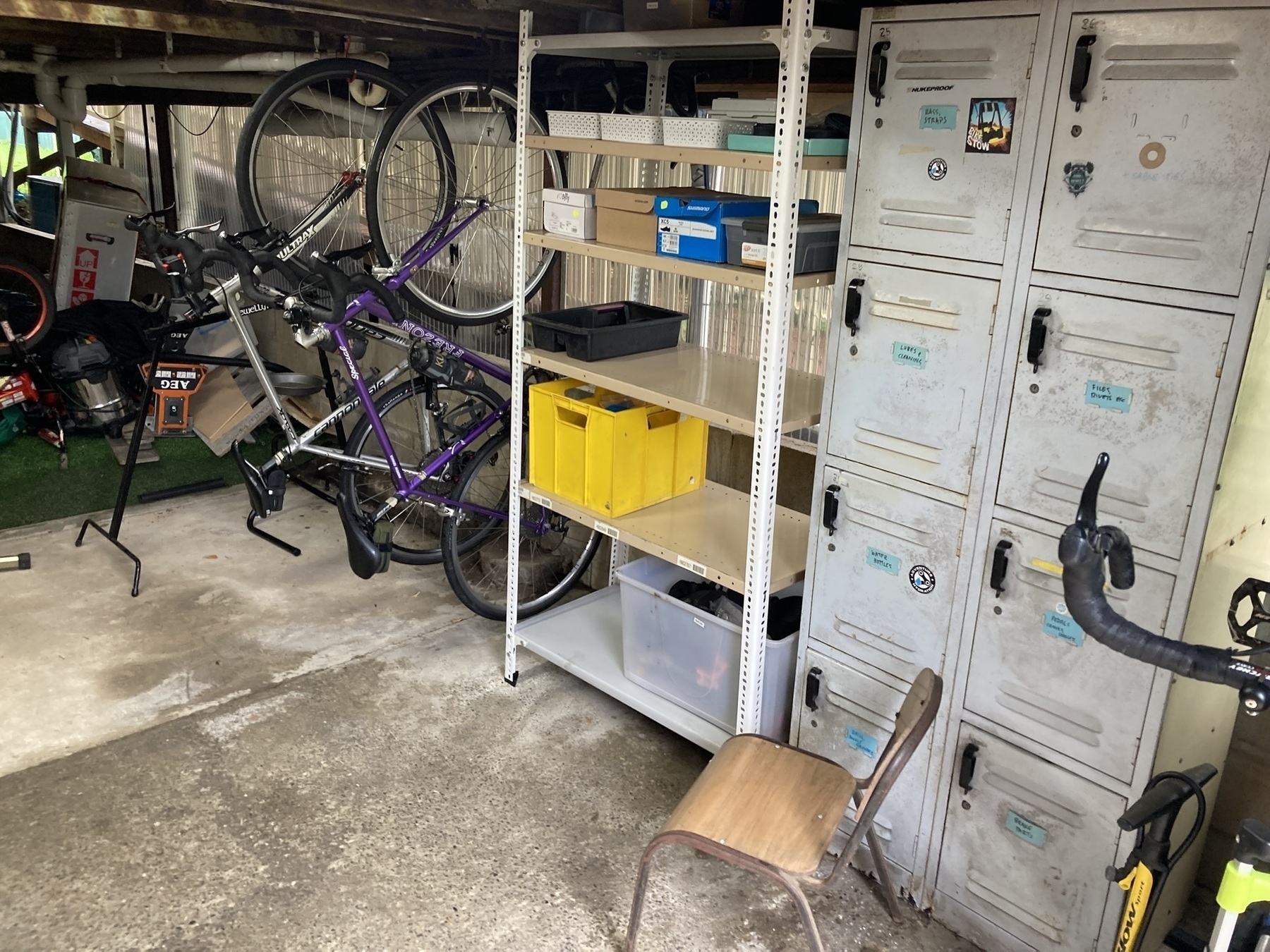 Recent heavy rain fast-tracked the removal of the wooden chest of drawers that has held my tools and spare parts for about 5 years. It was never designed for the exposure to moisture that is prevalent in my bike shed.
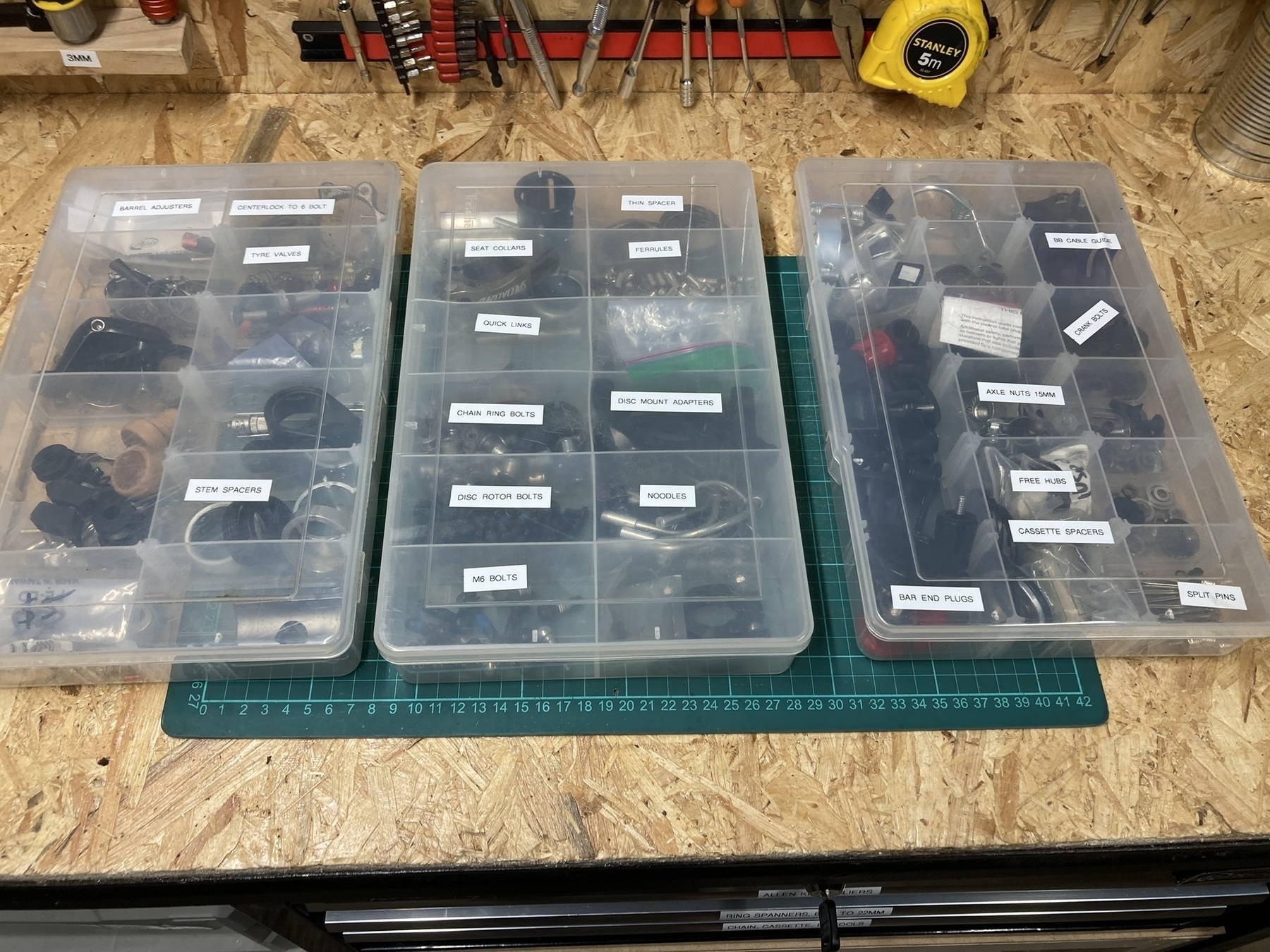 My friend Emma gave me these three sorters full of small parts one time when she was down-sizing. Here you can see what I'm like ... if I can do anything to give future me a clue about what's stored in there, it will mean that I use a part that I have, rather than jumping online to Pushys and spending money that I don't need to spend.
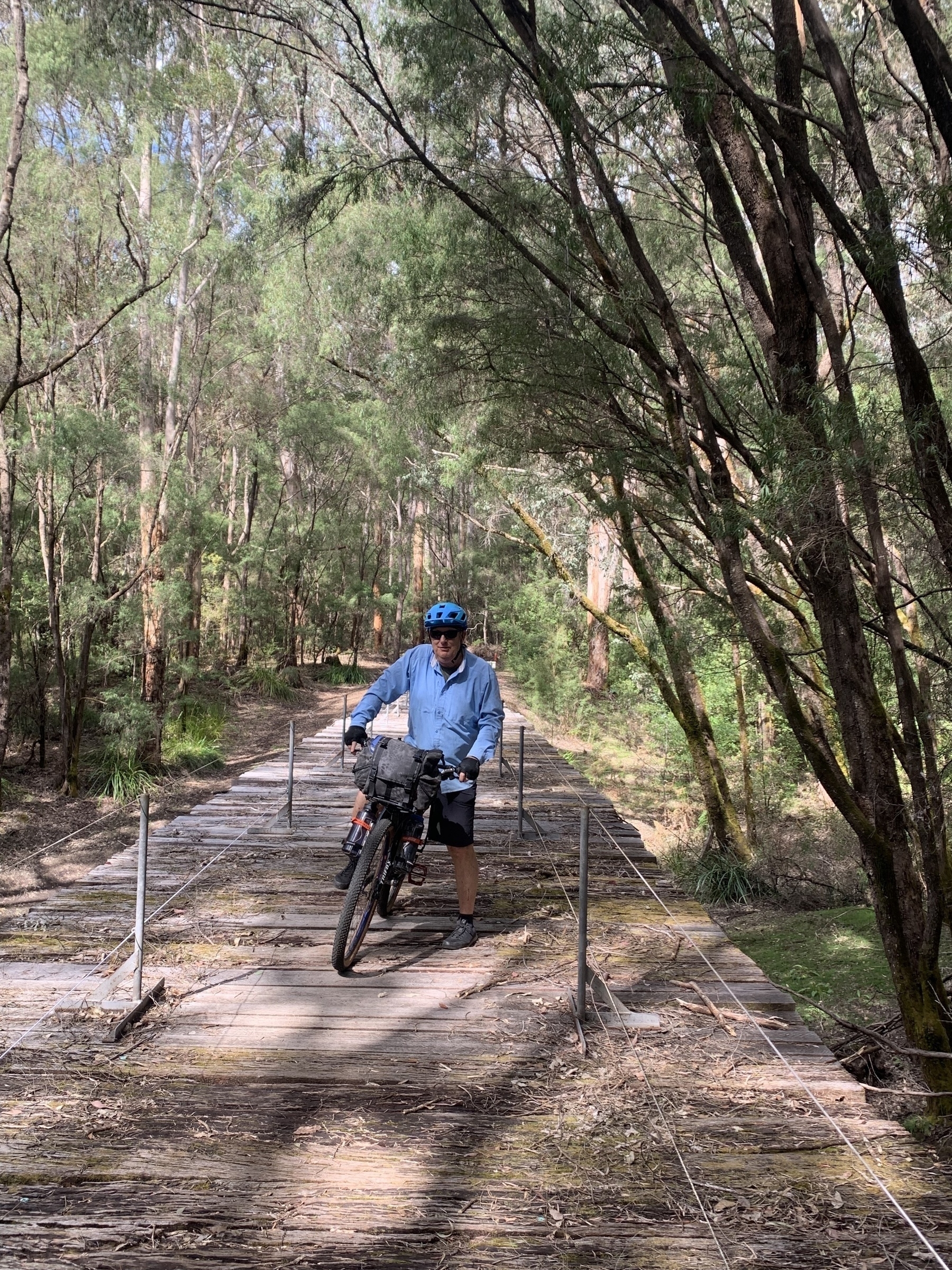
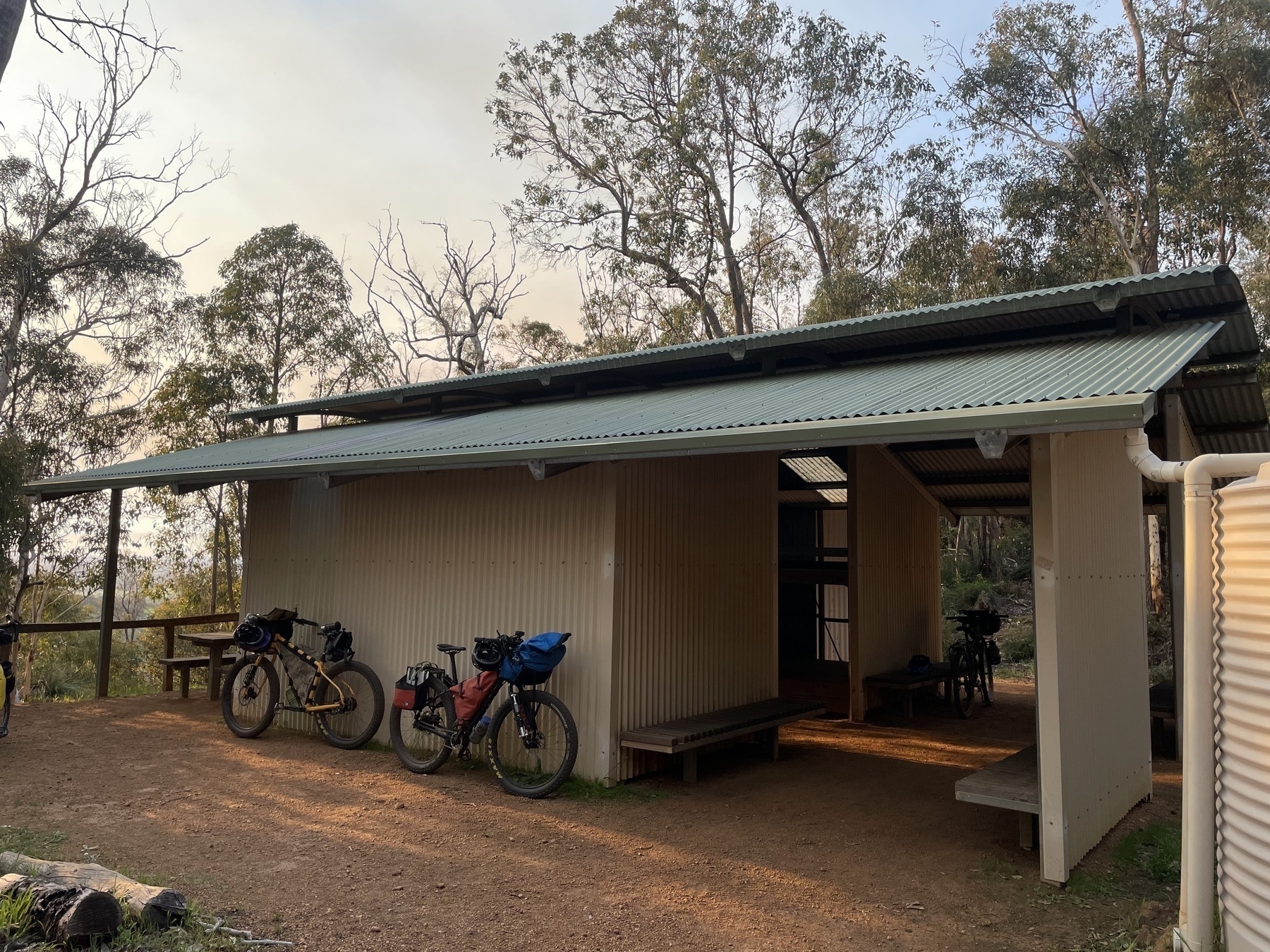
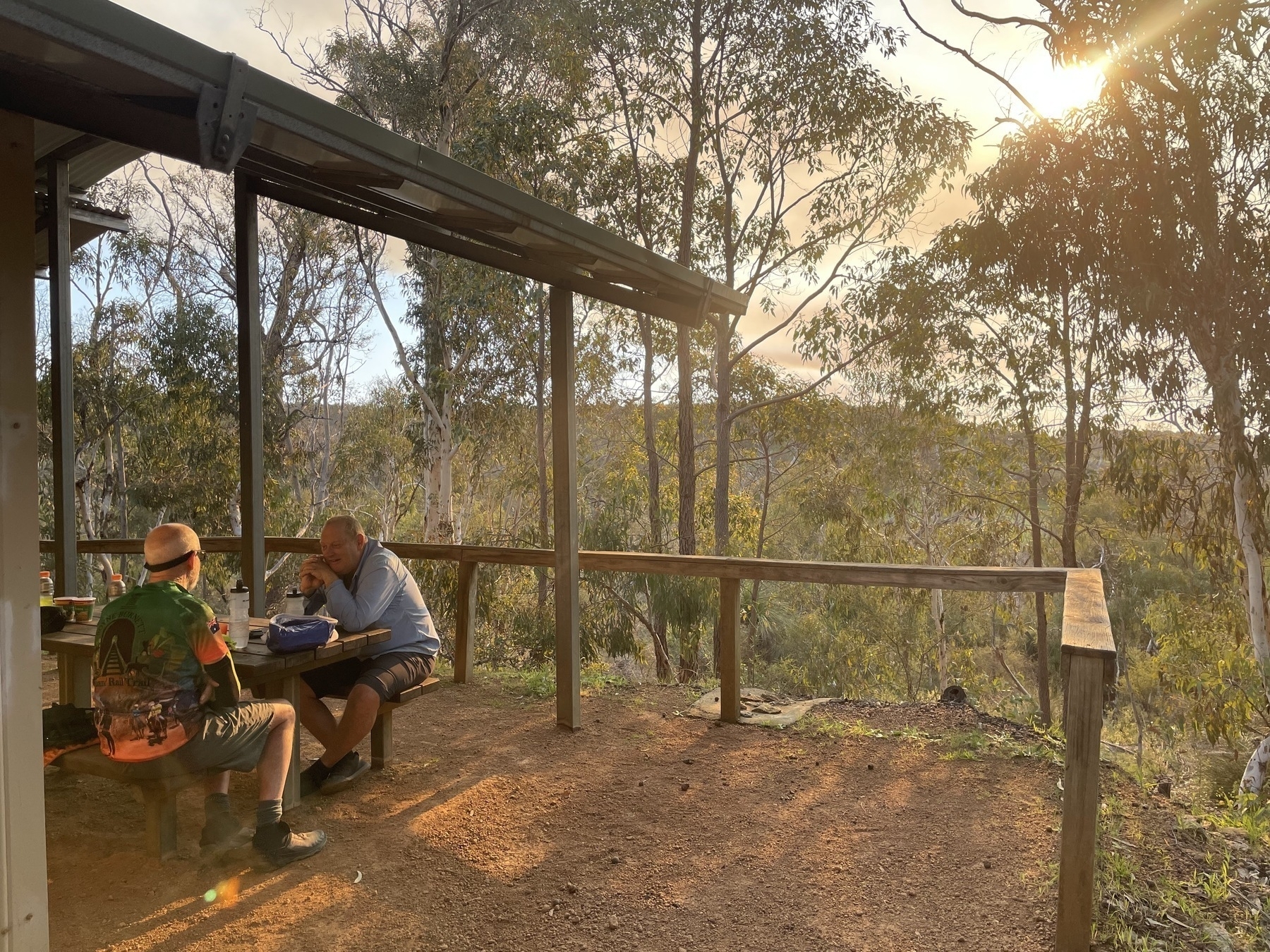
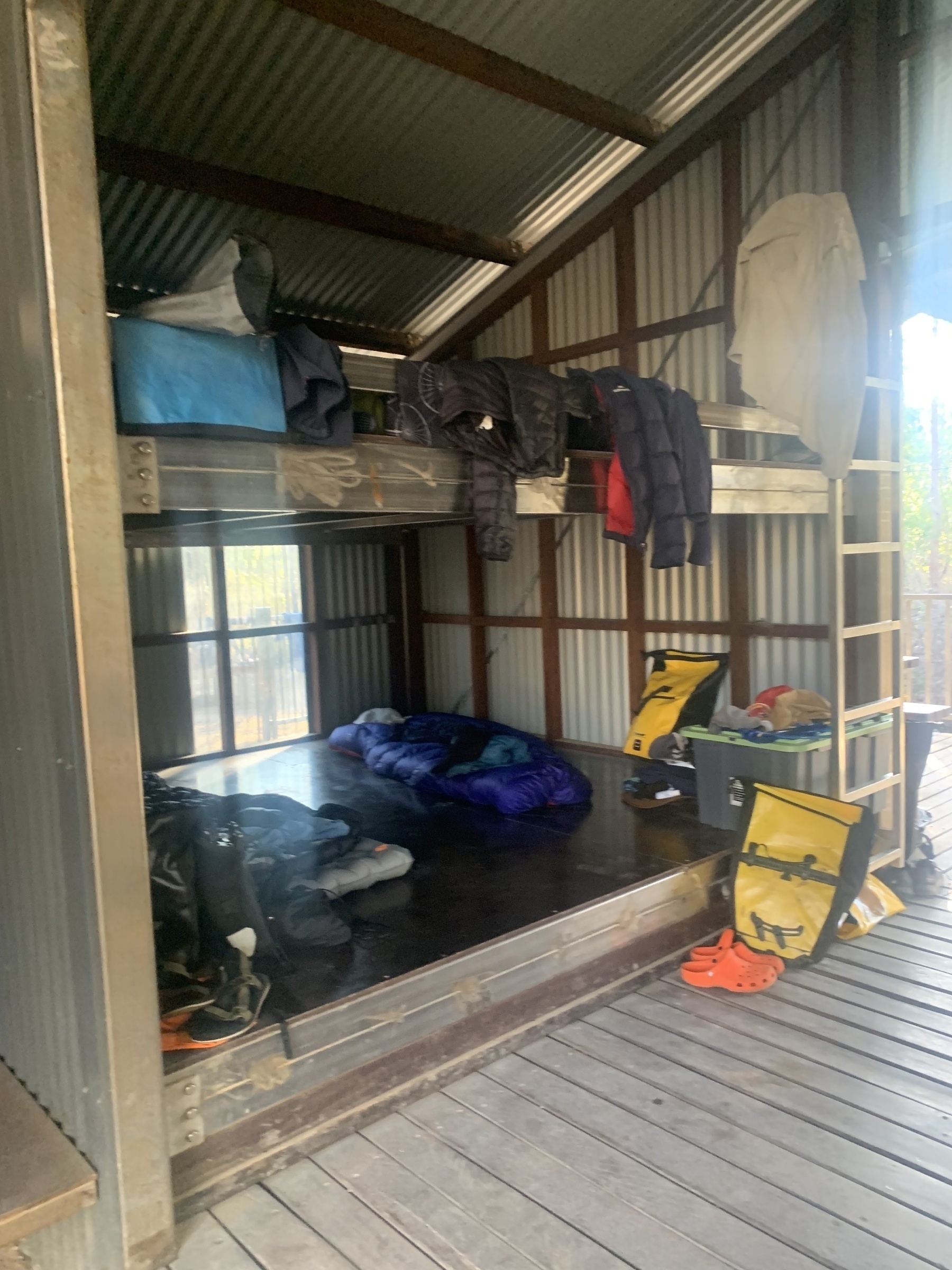
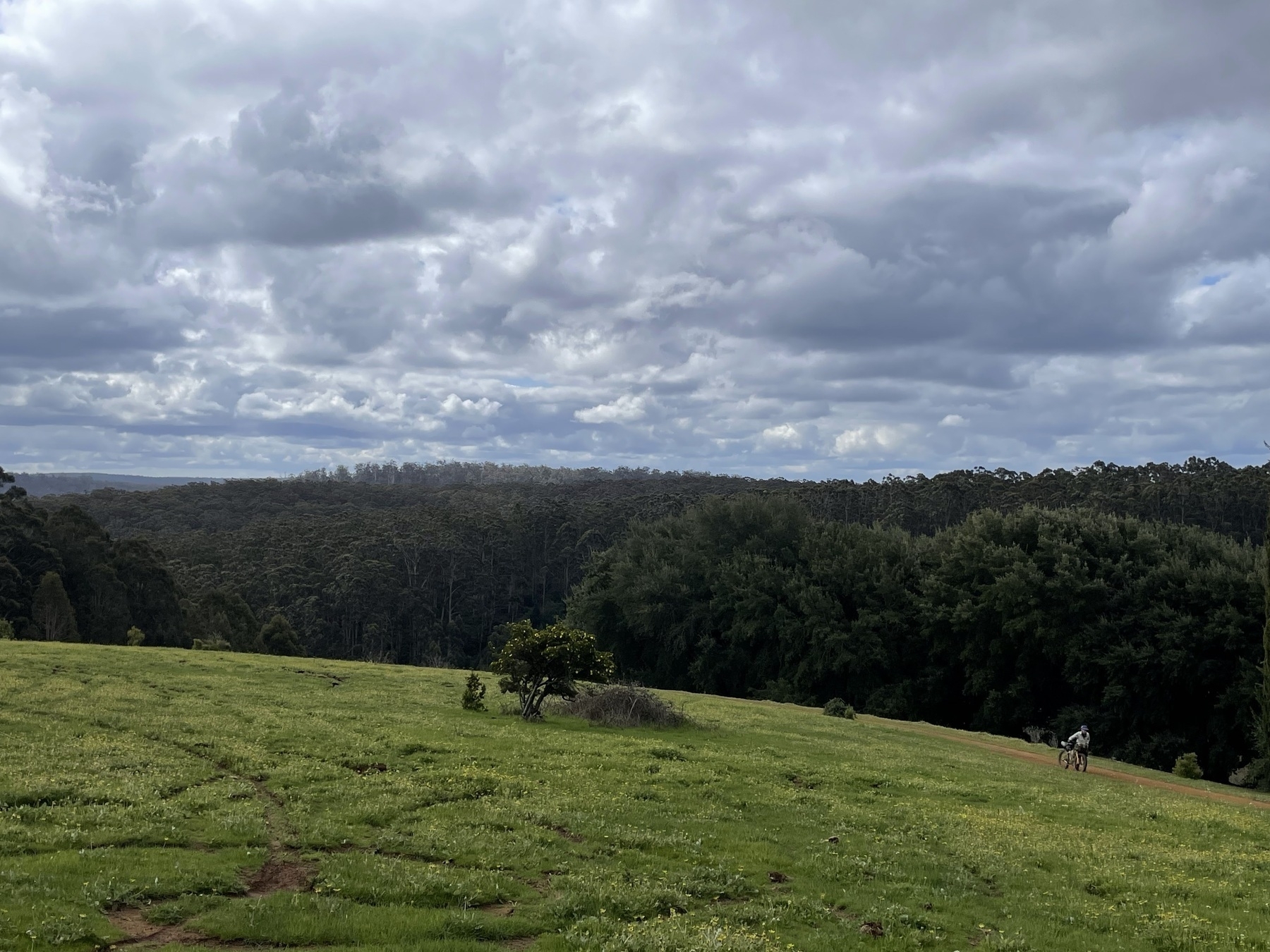
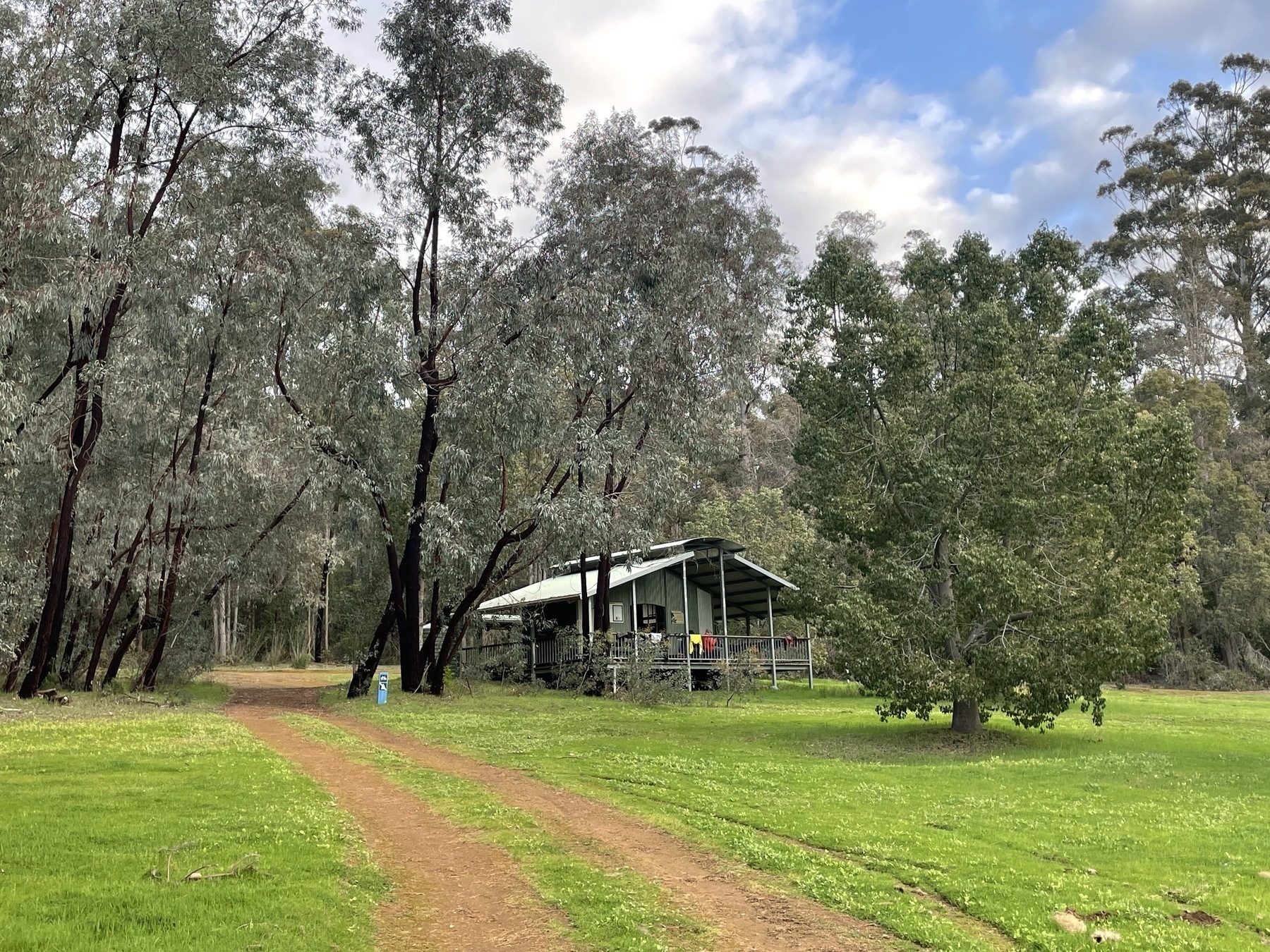
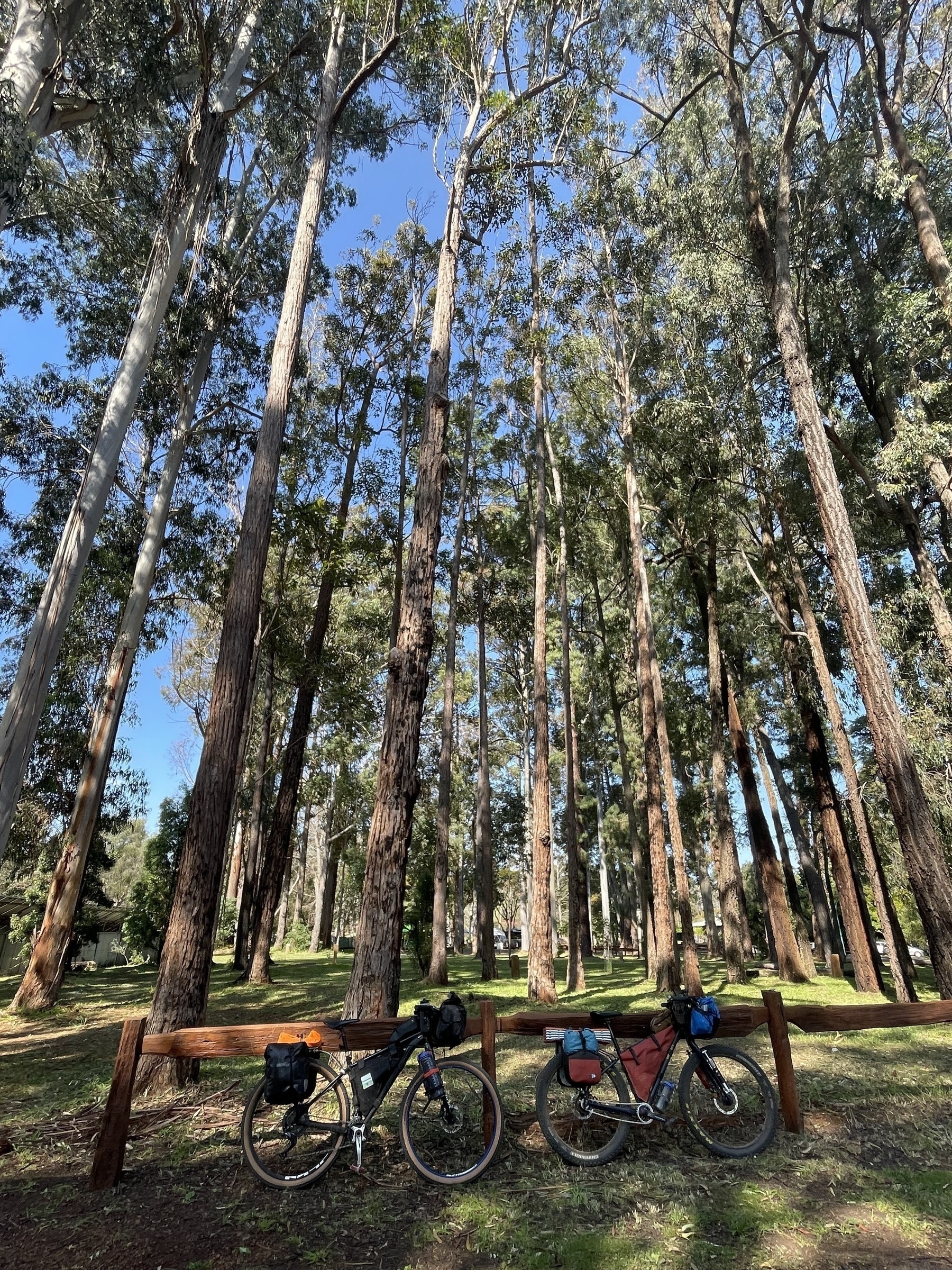
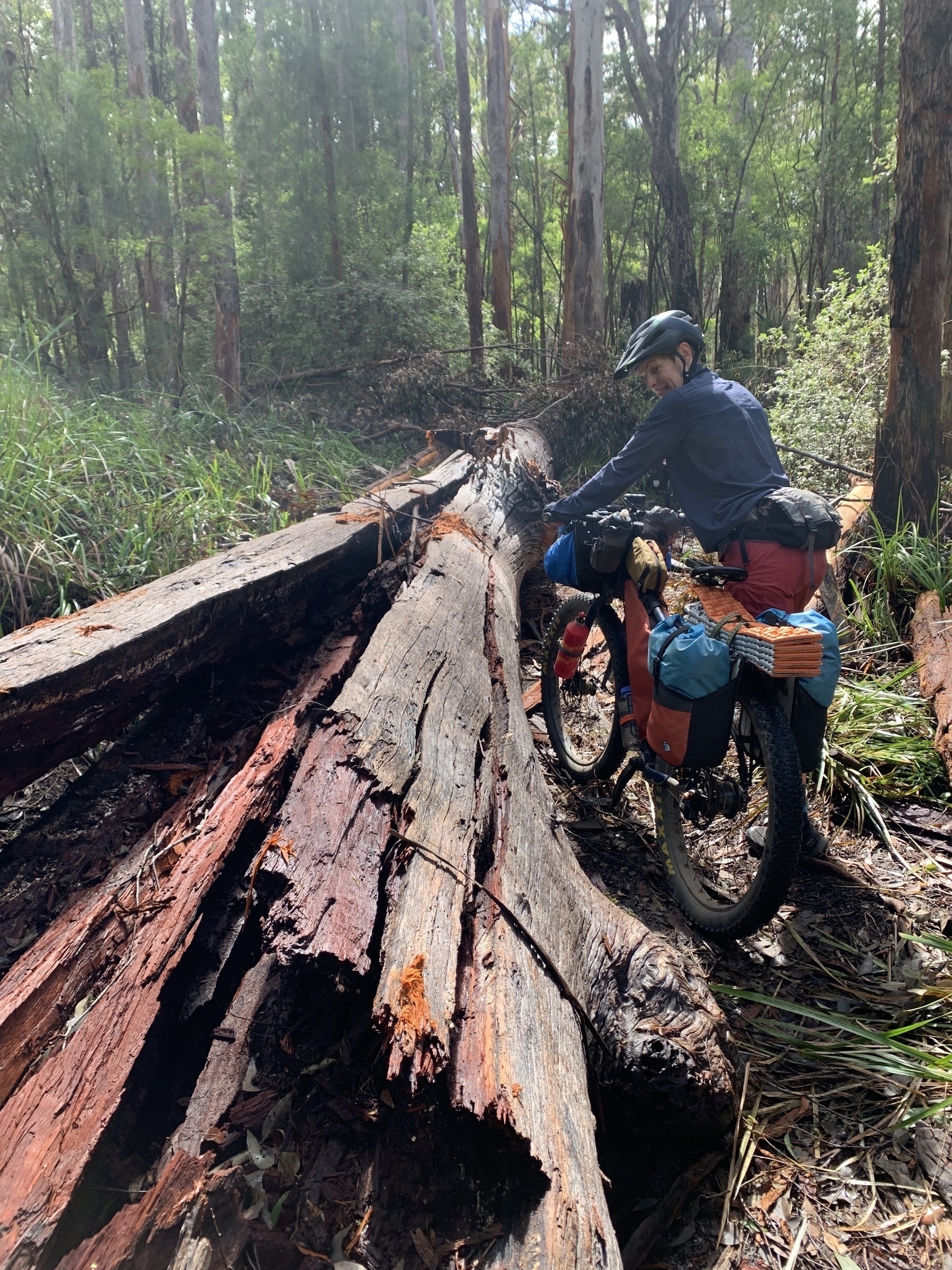

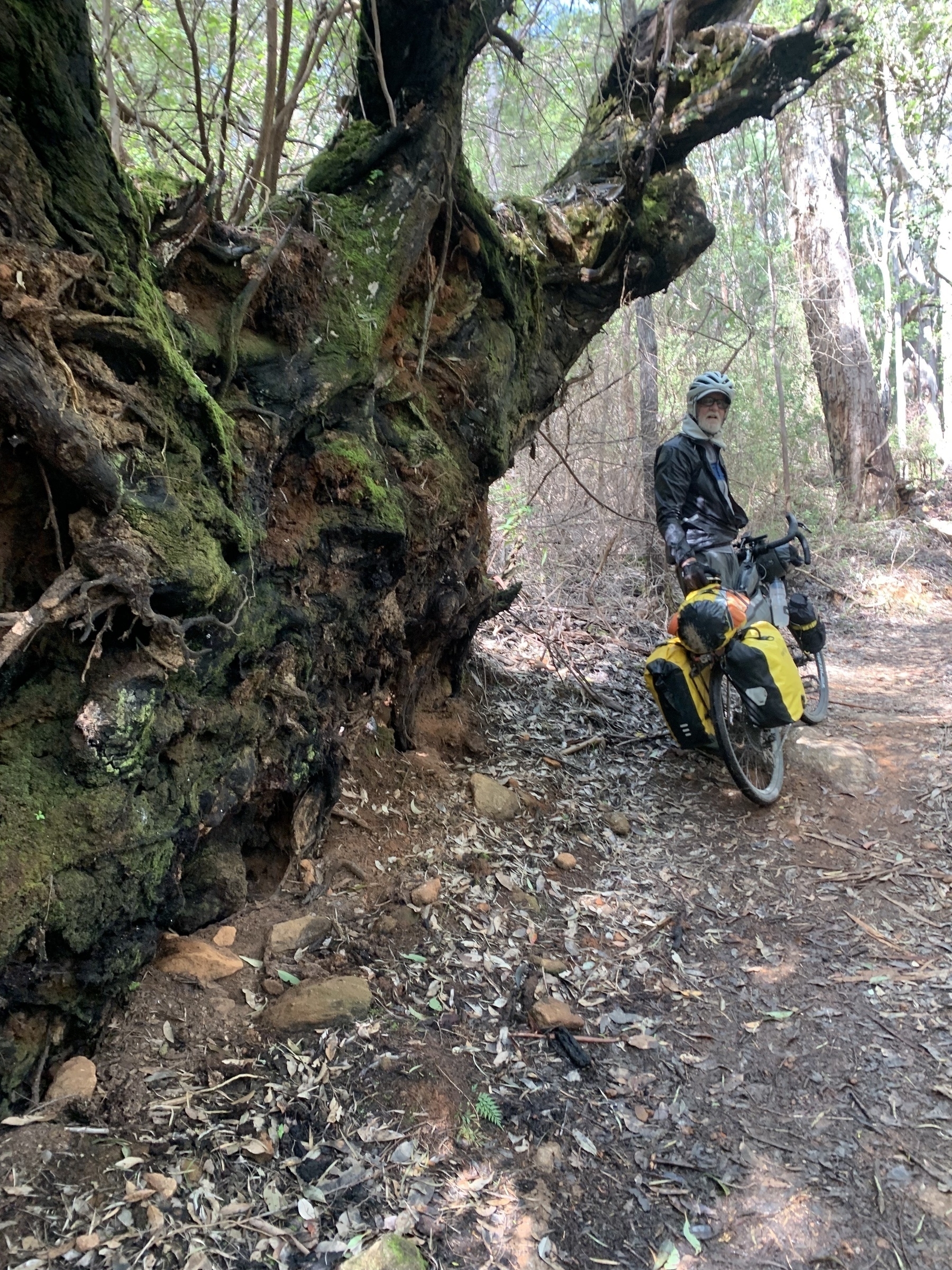
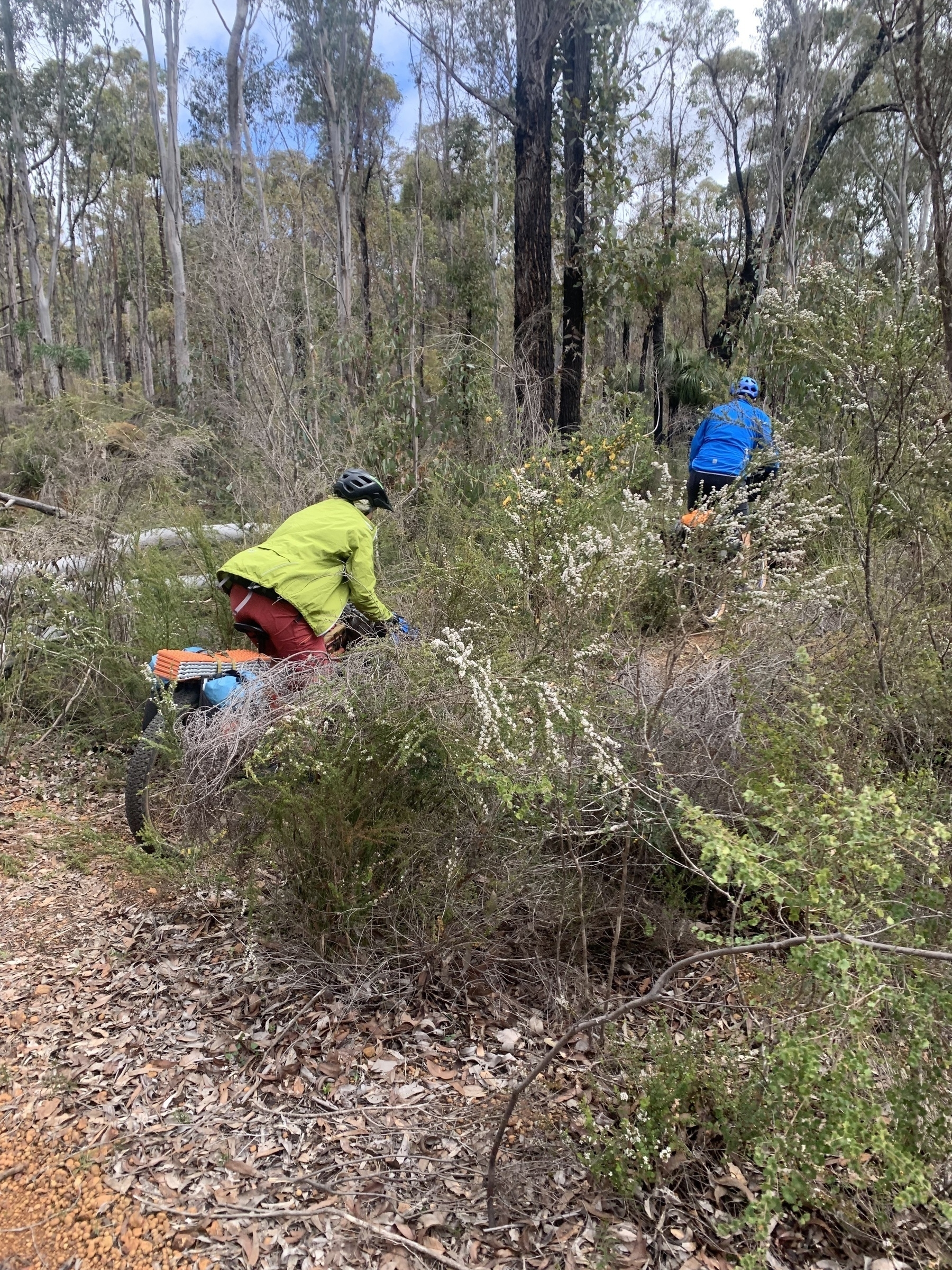
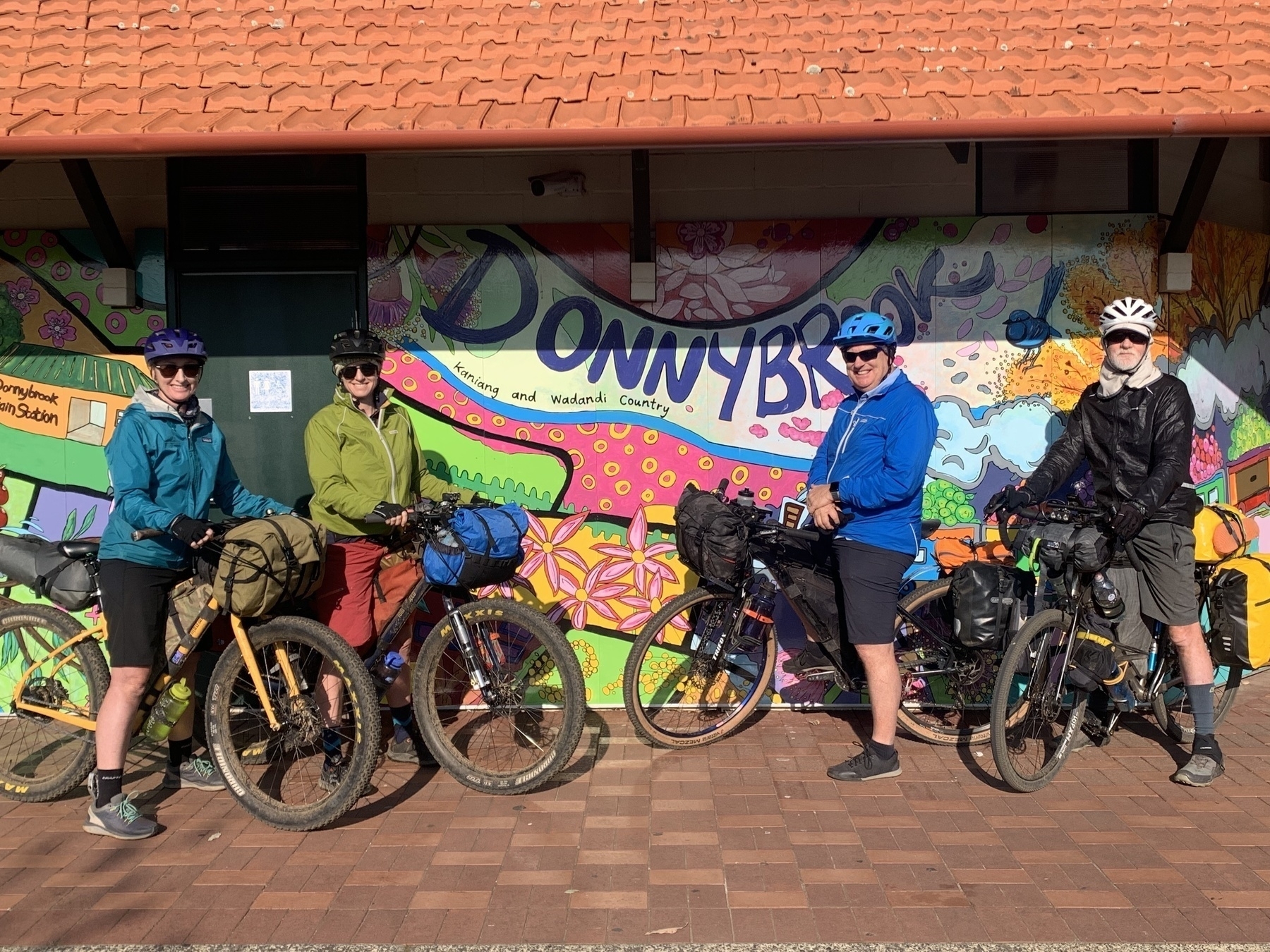
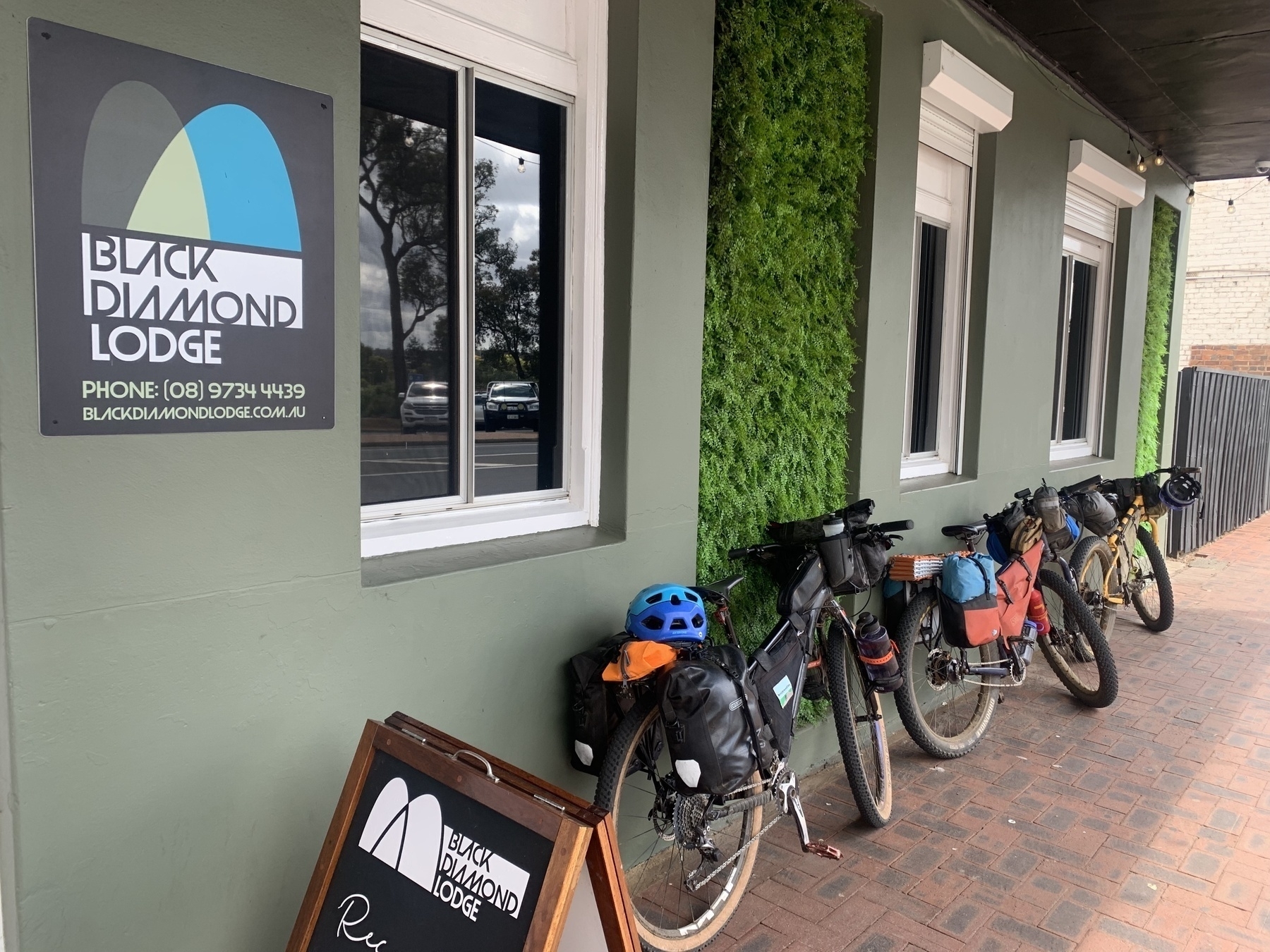
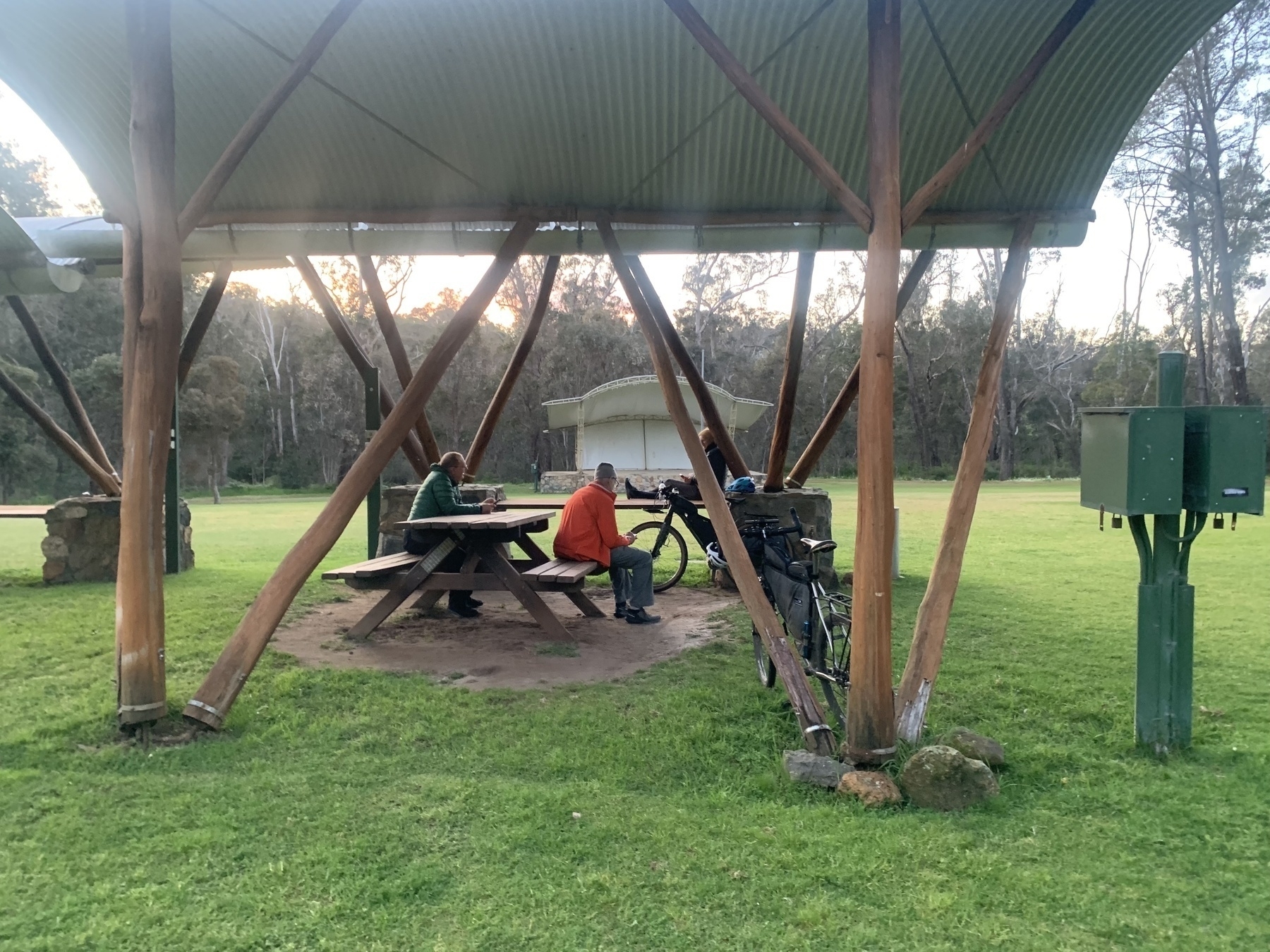
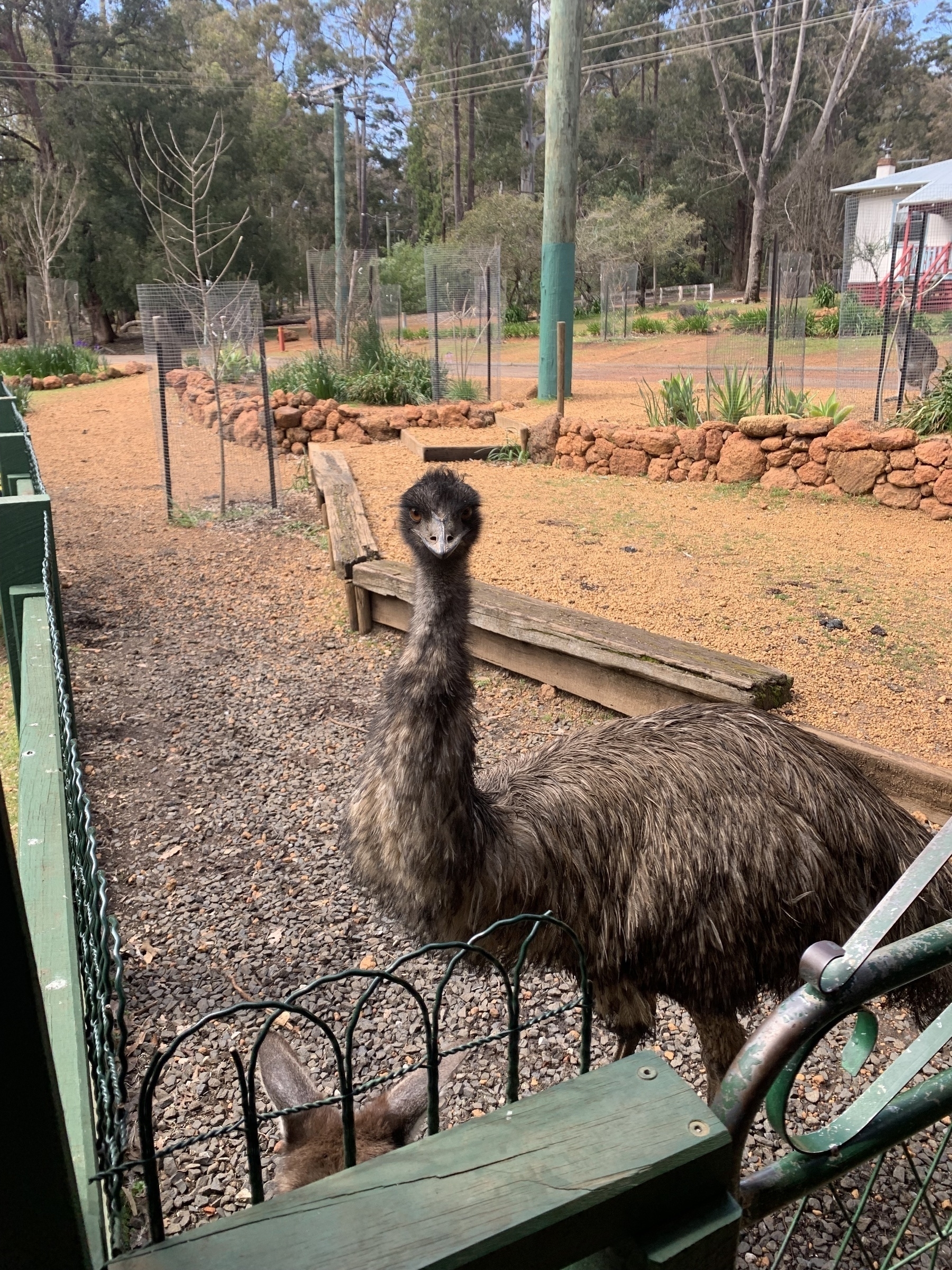
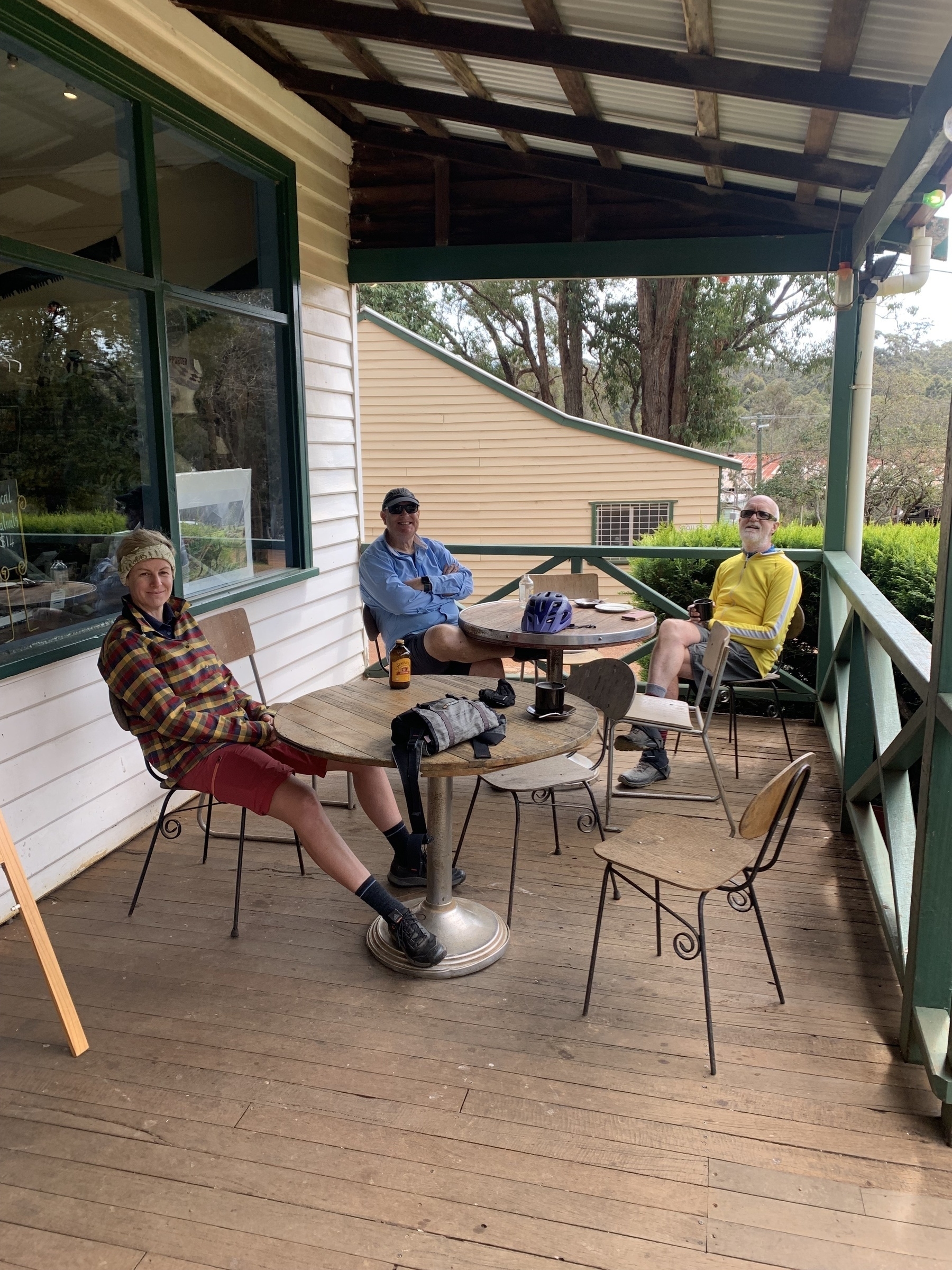

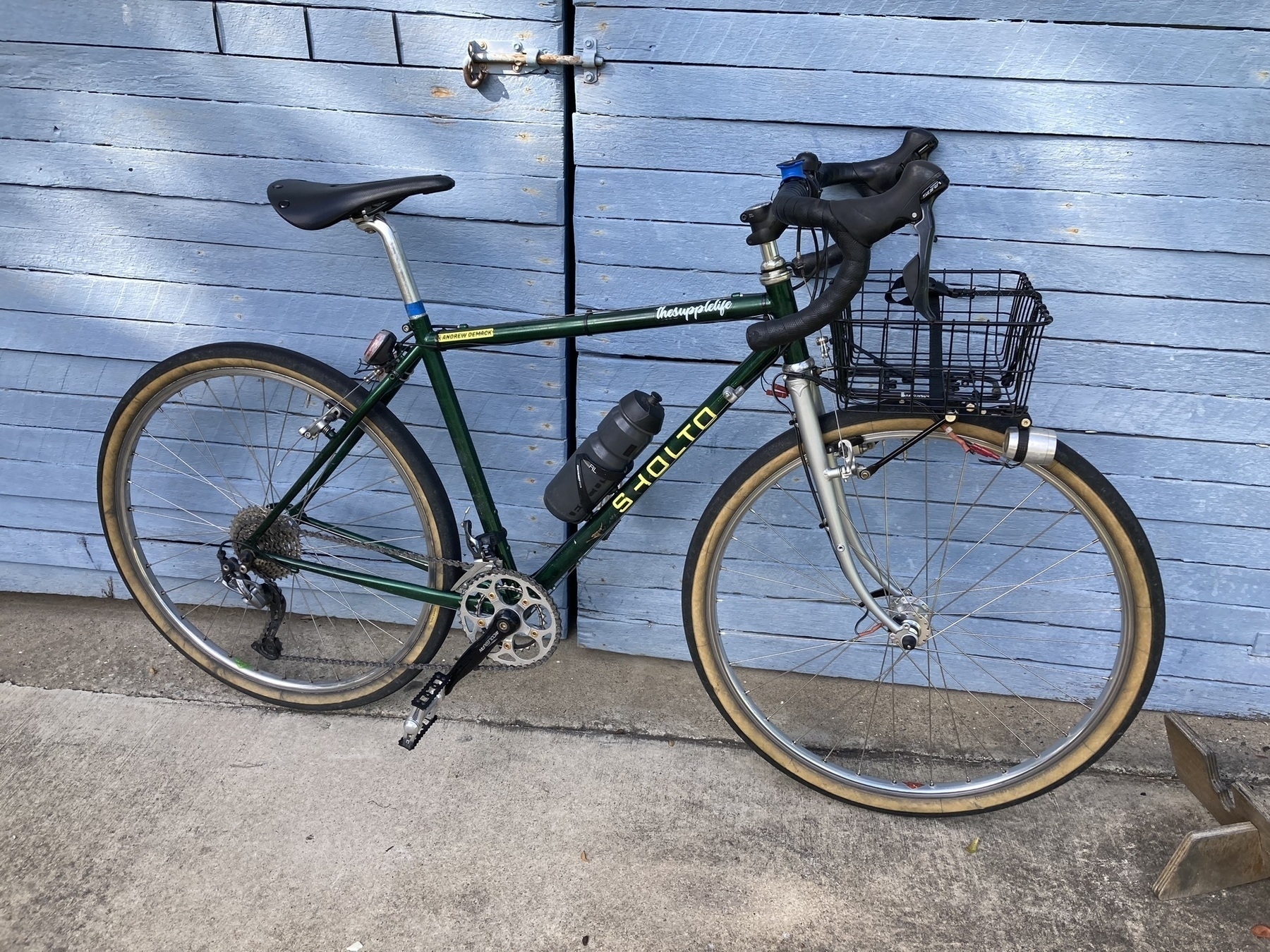
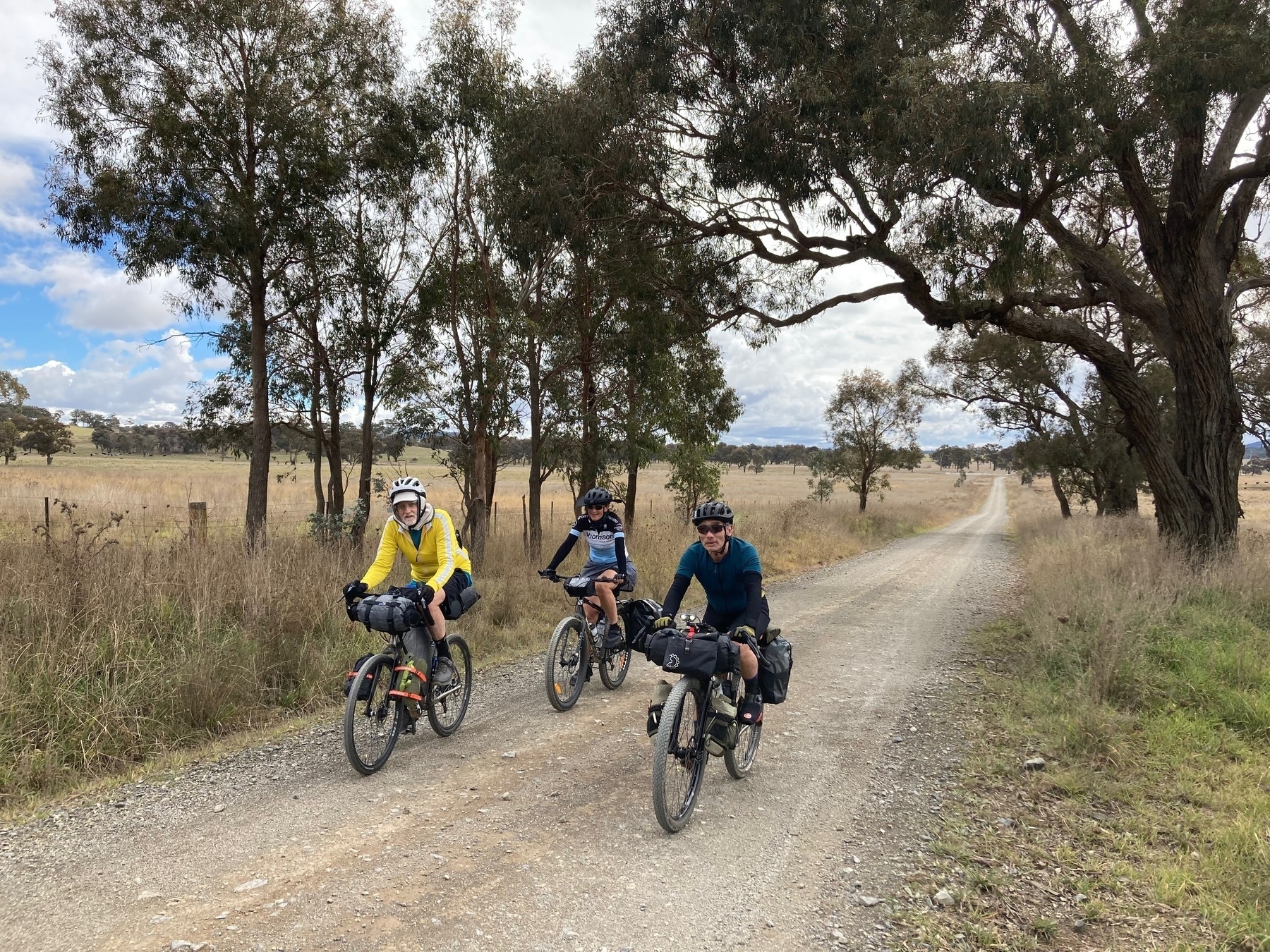
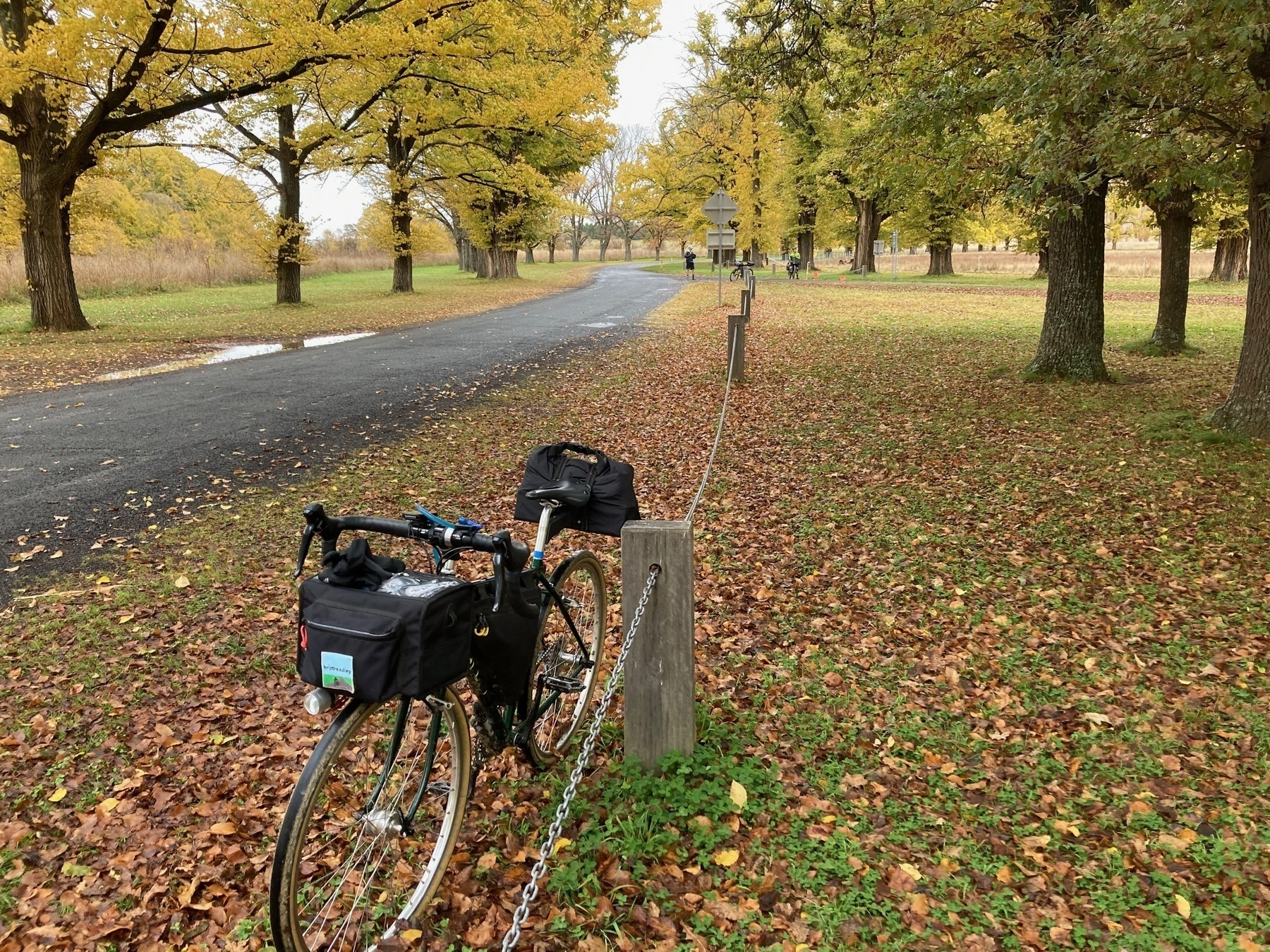

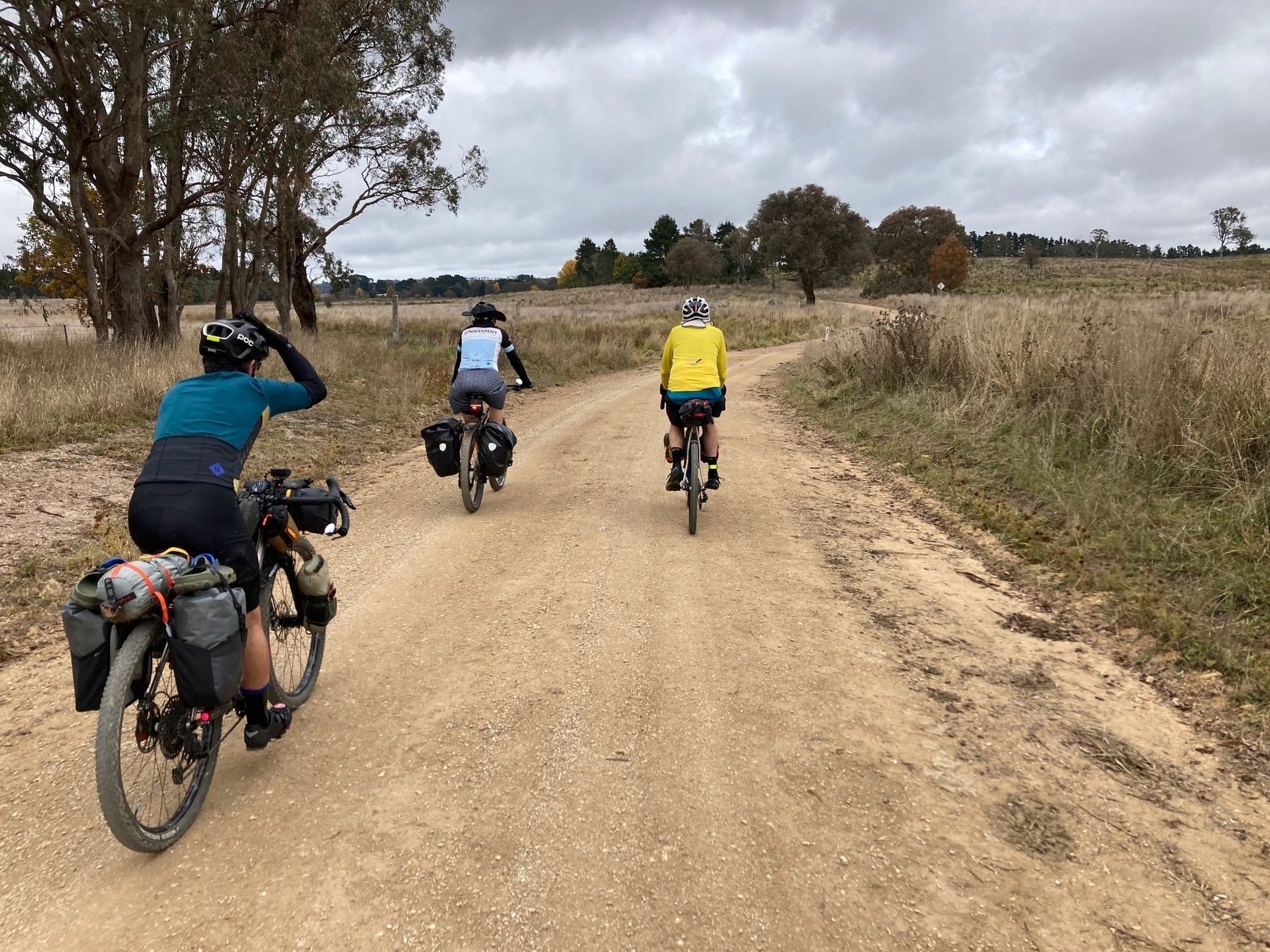
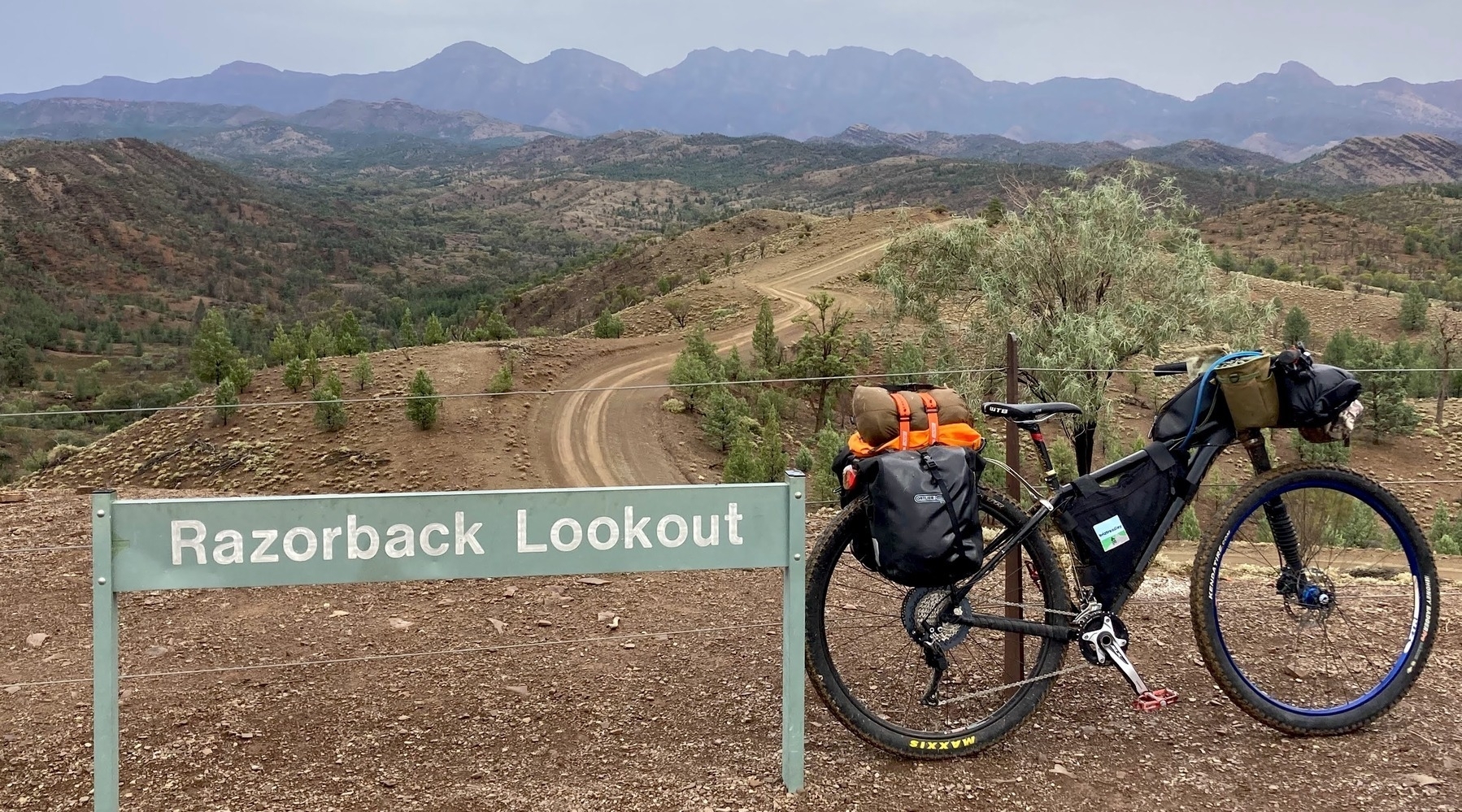
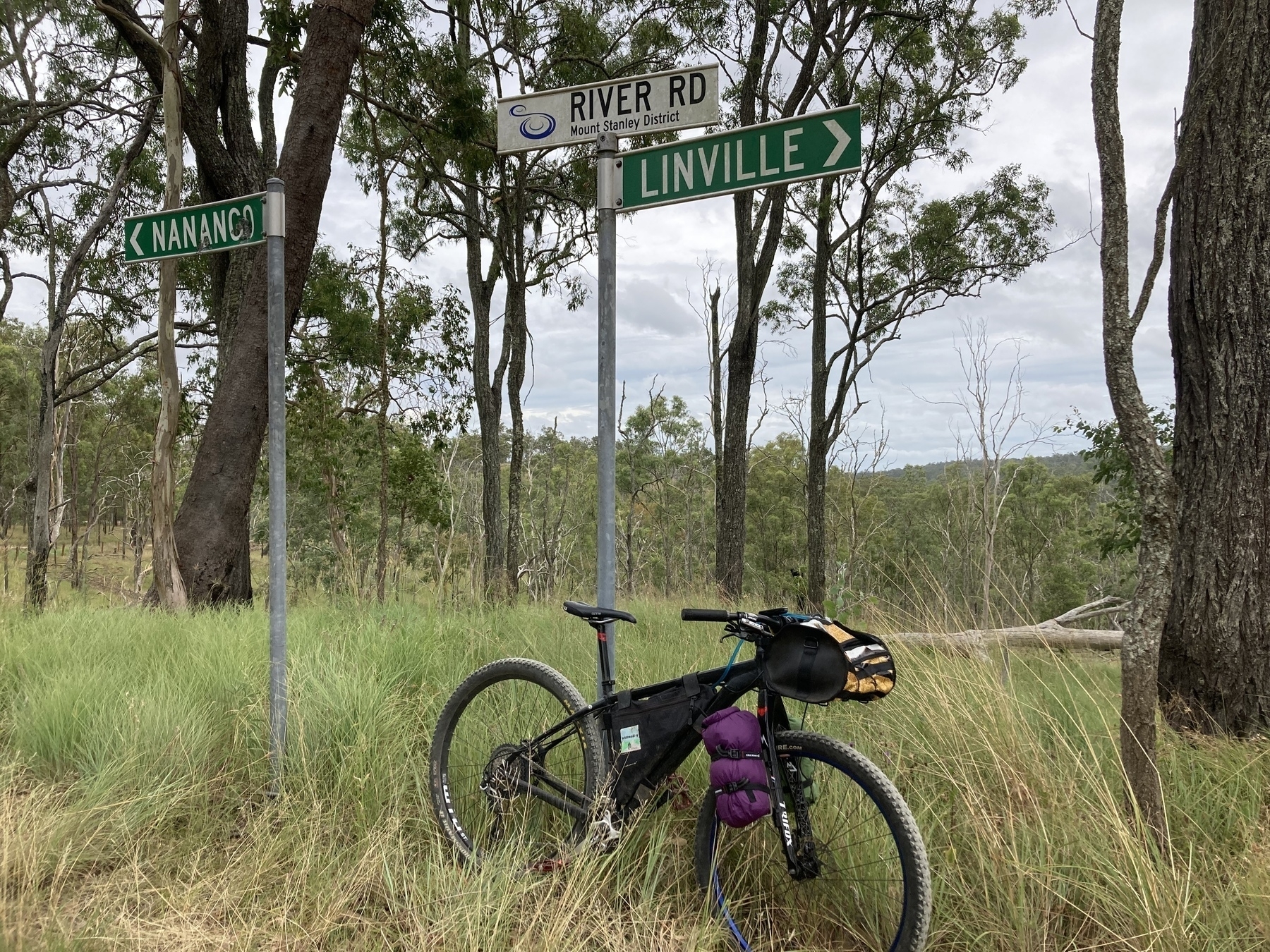
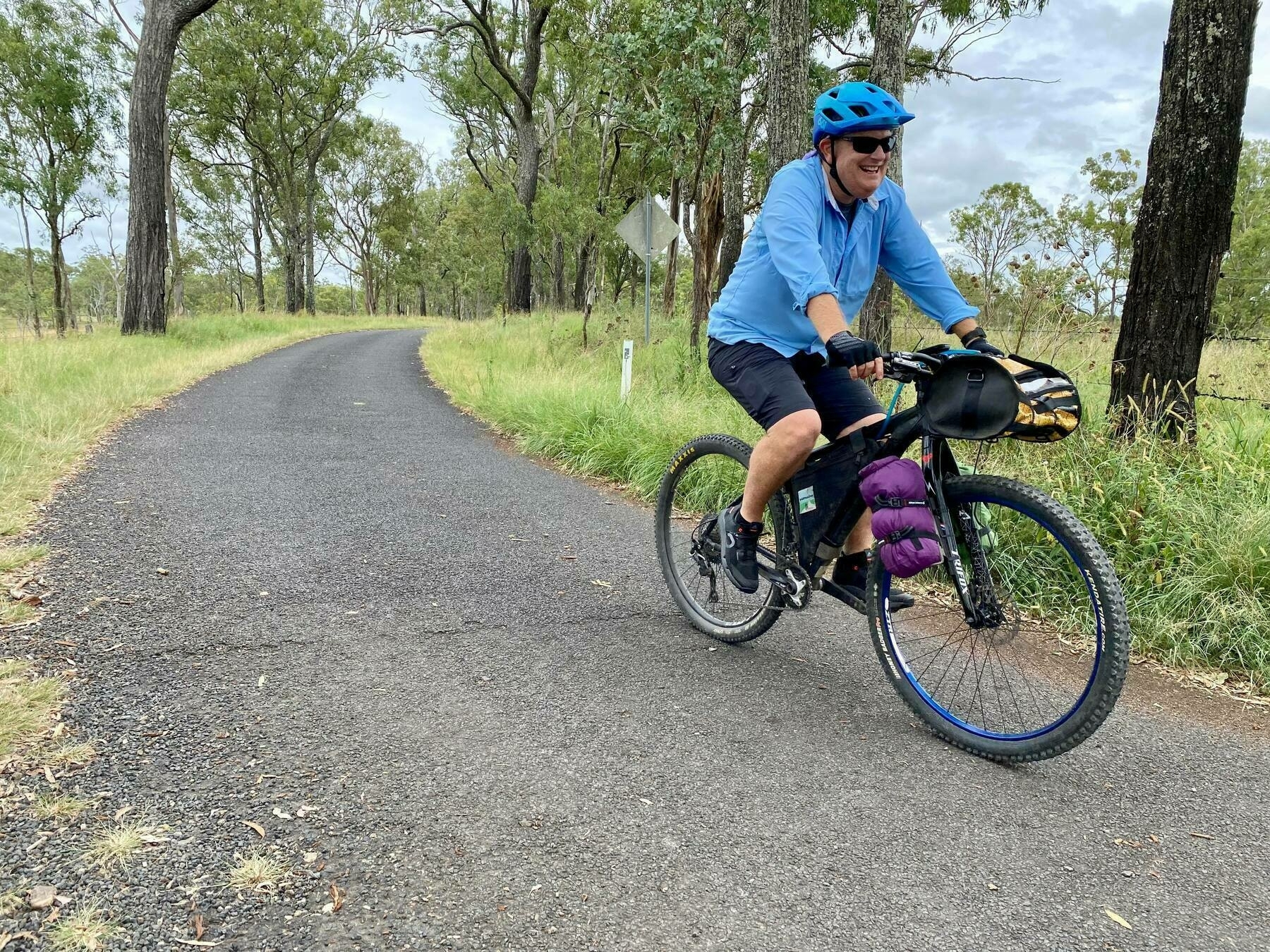
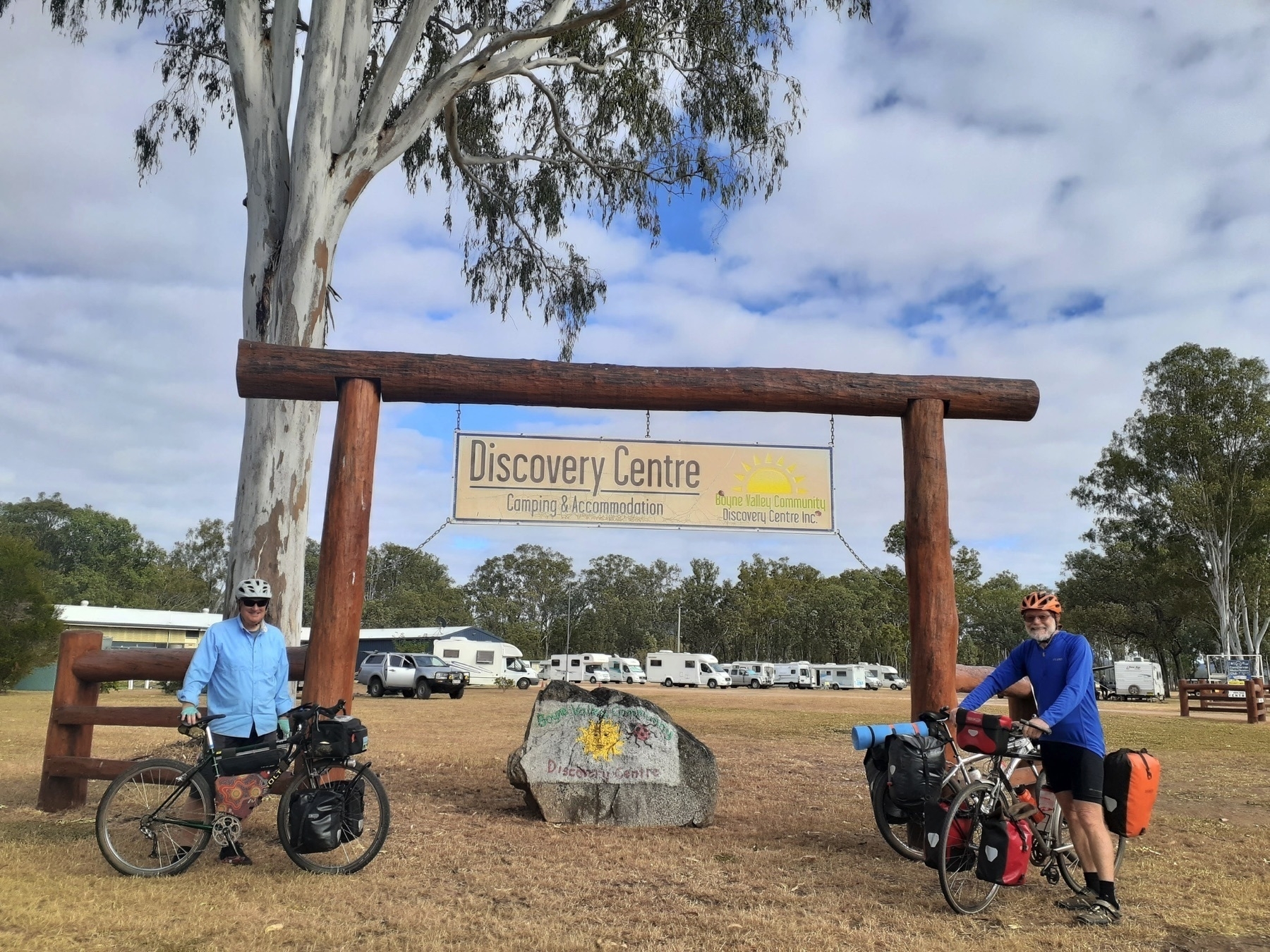
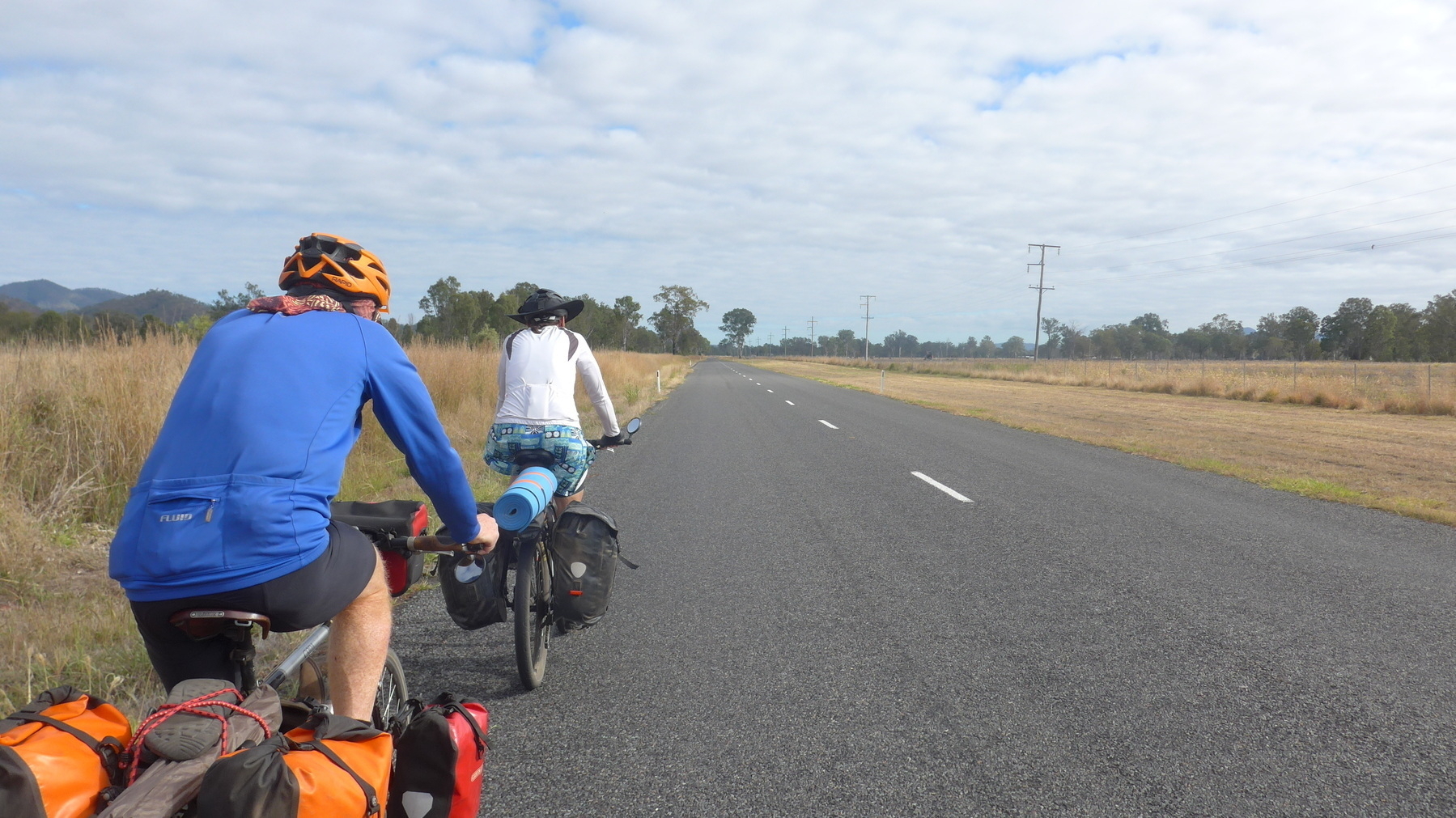
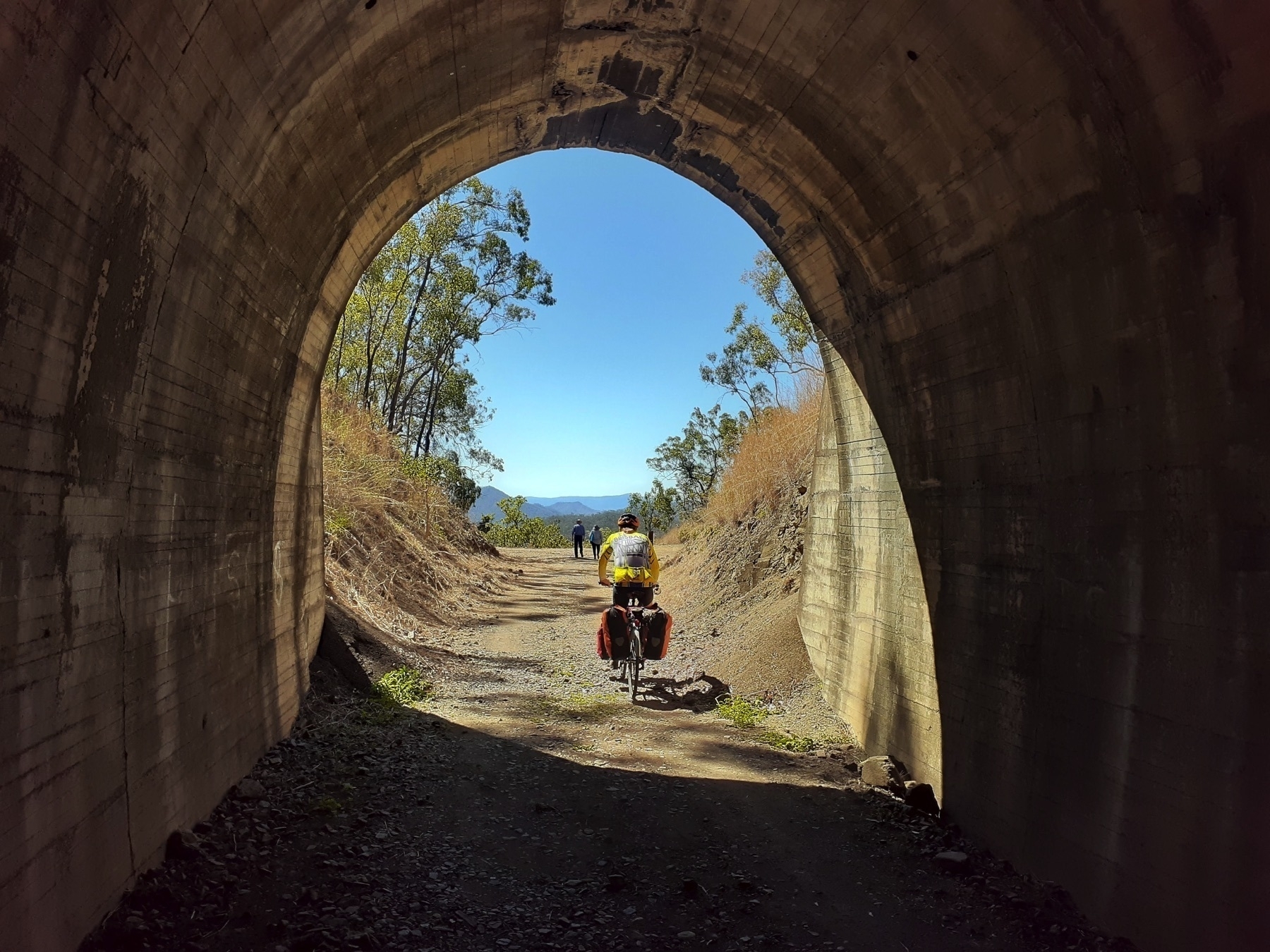
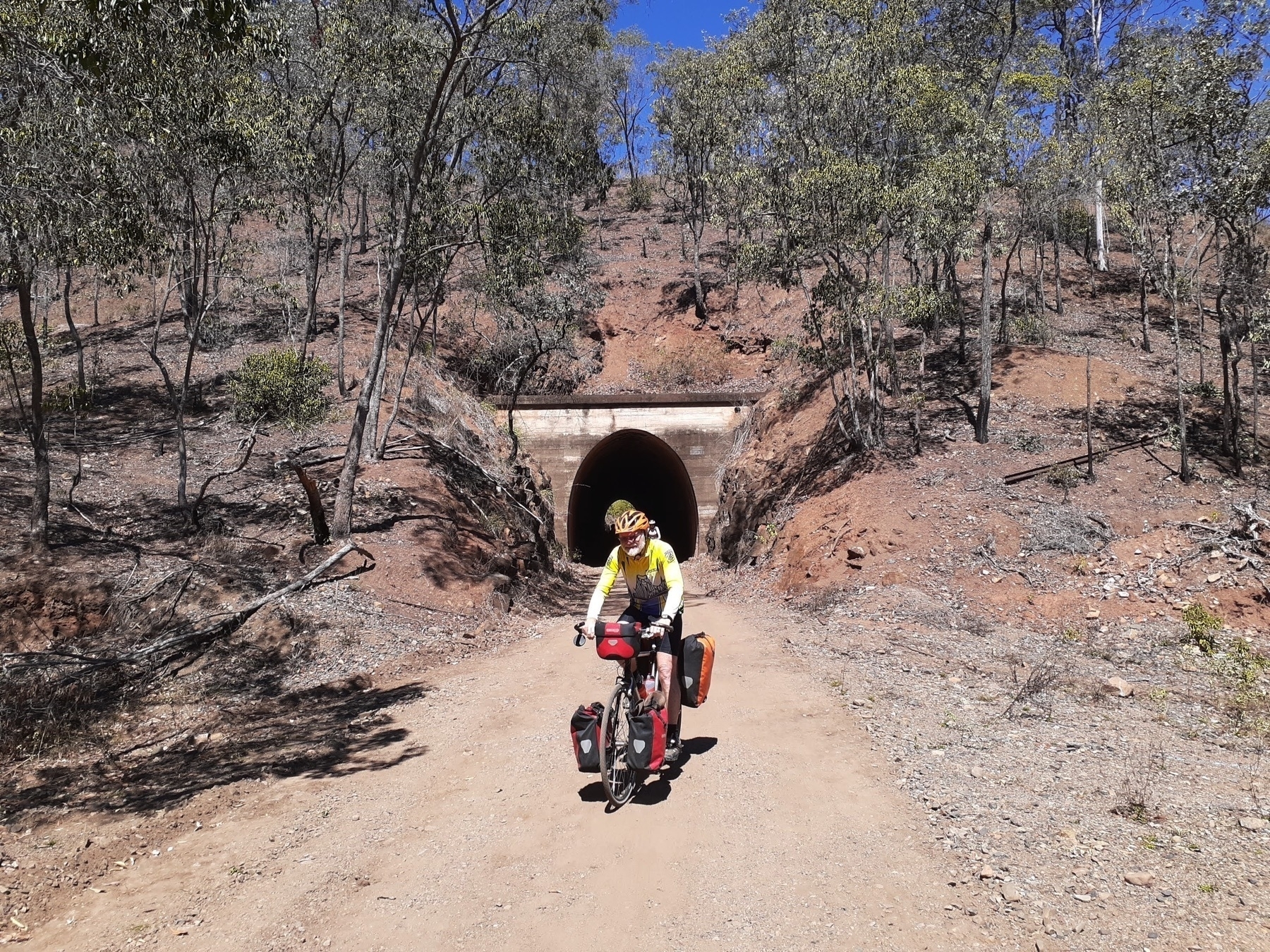
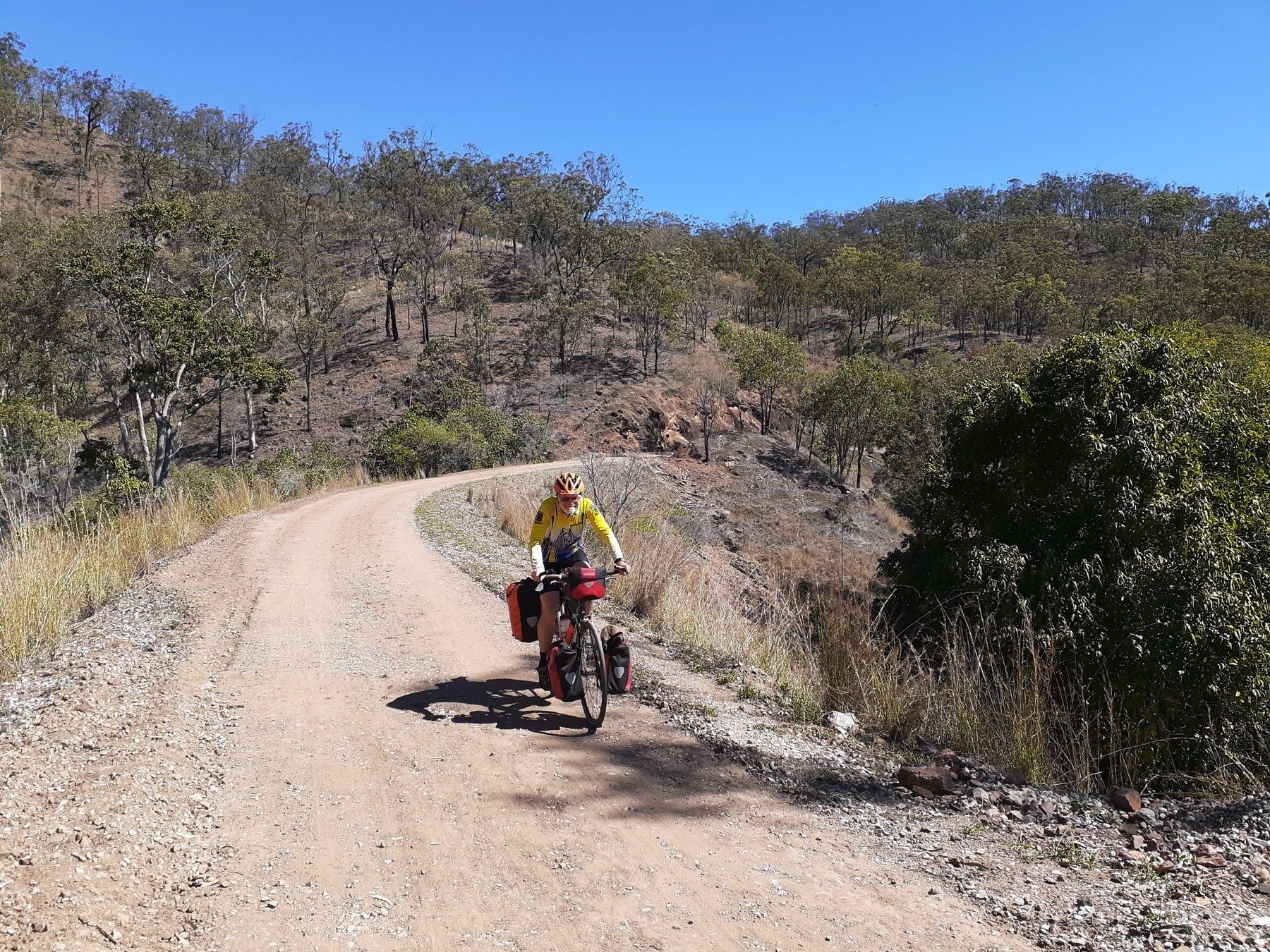
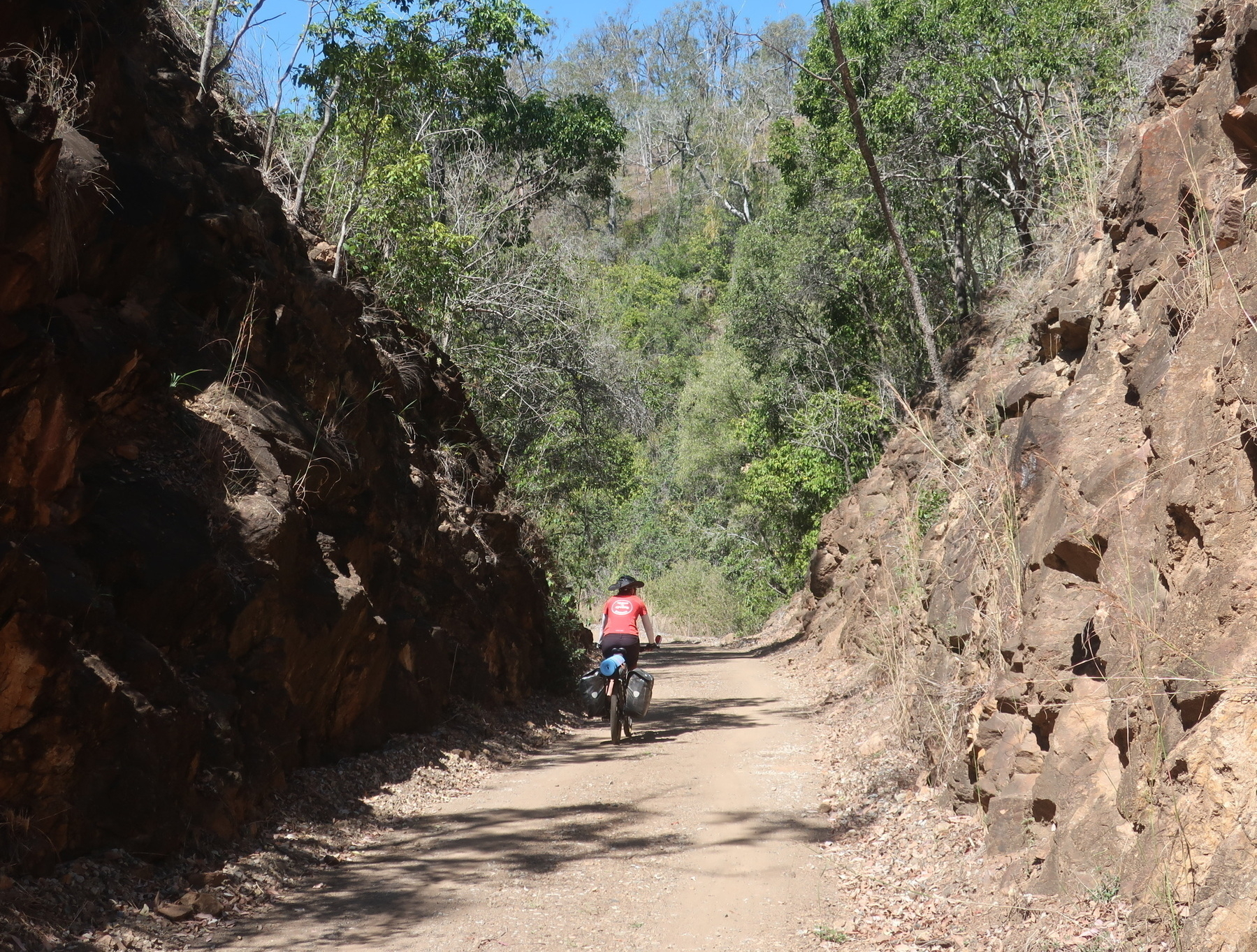
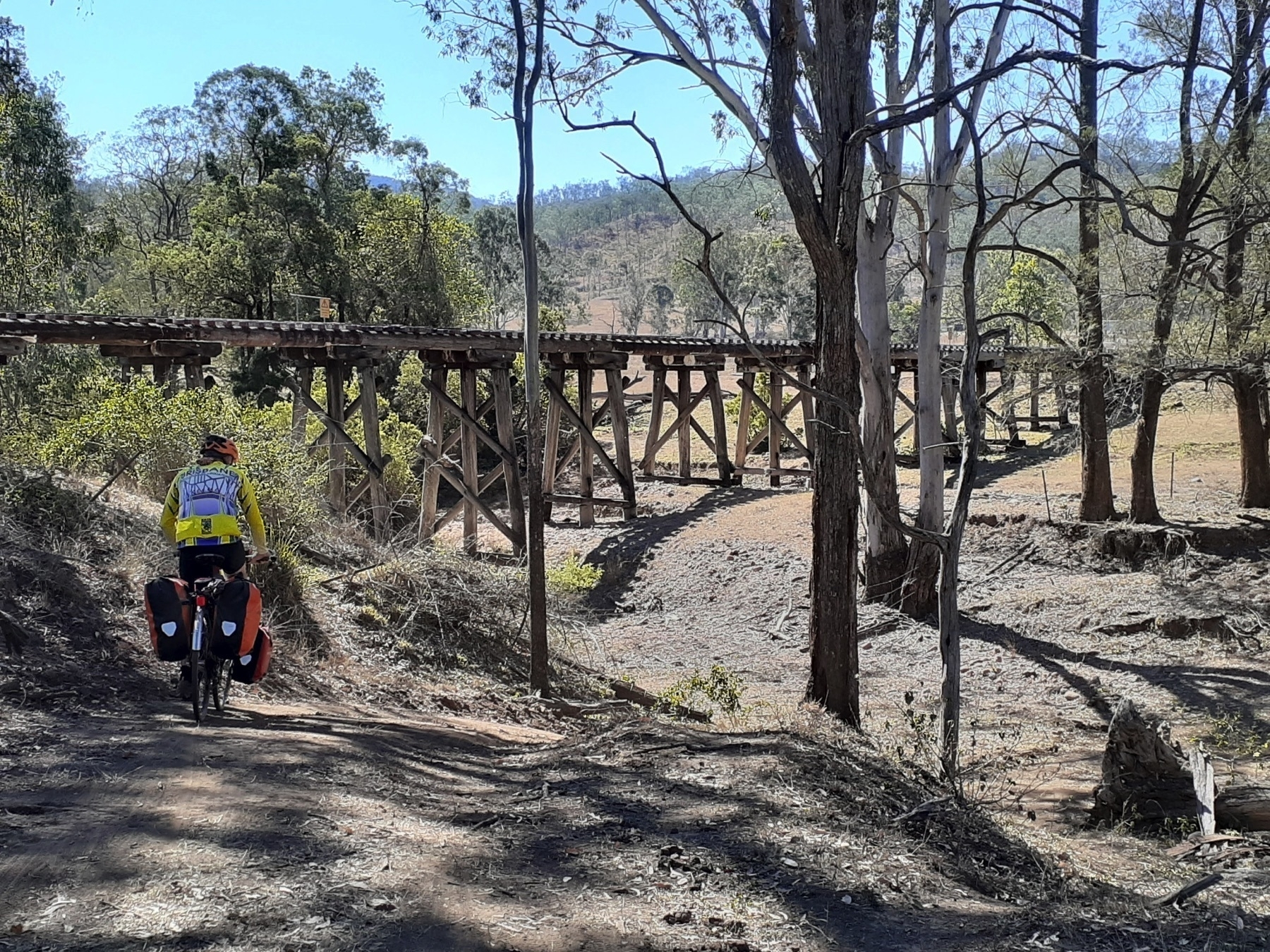
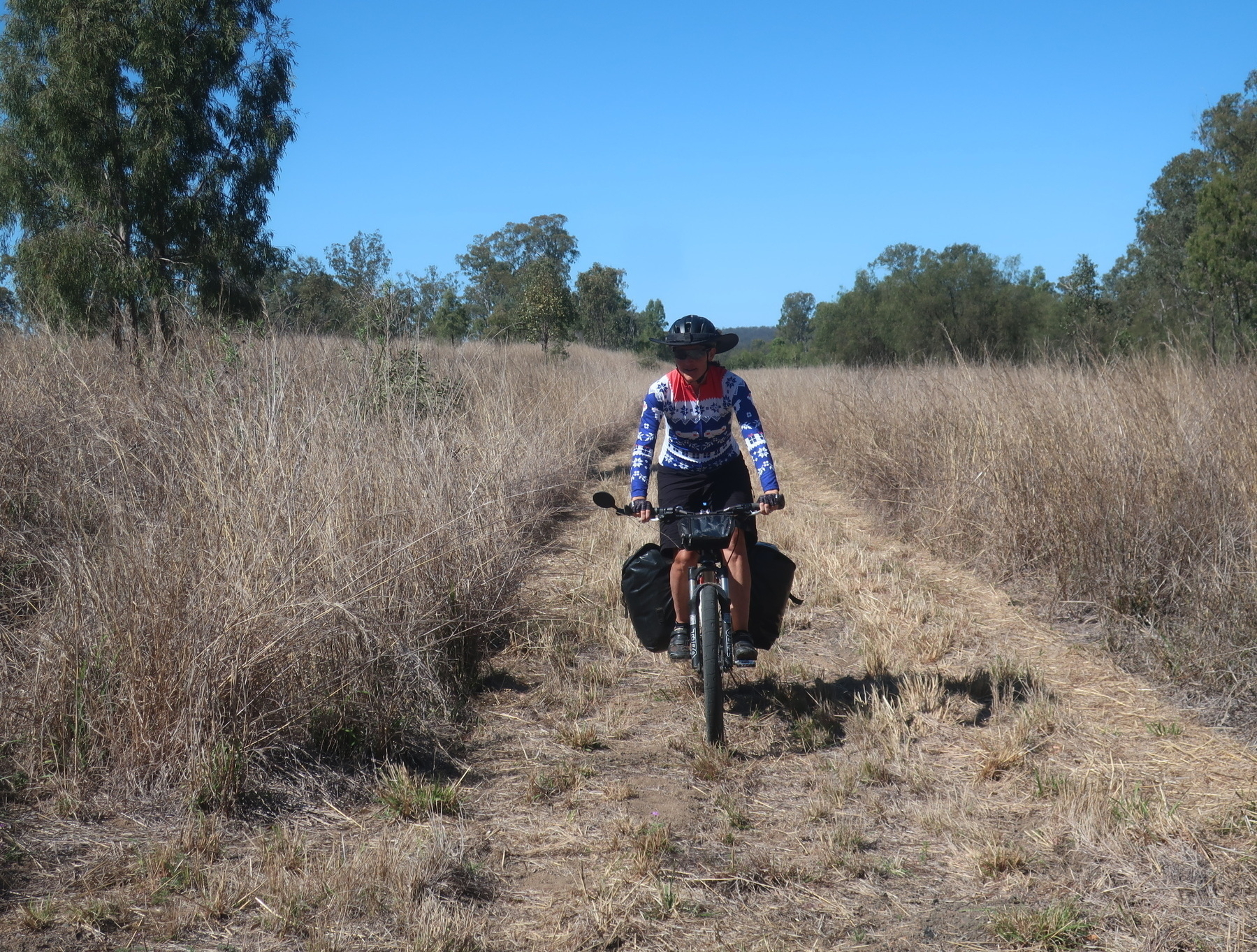
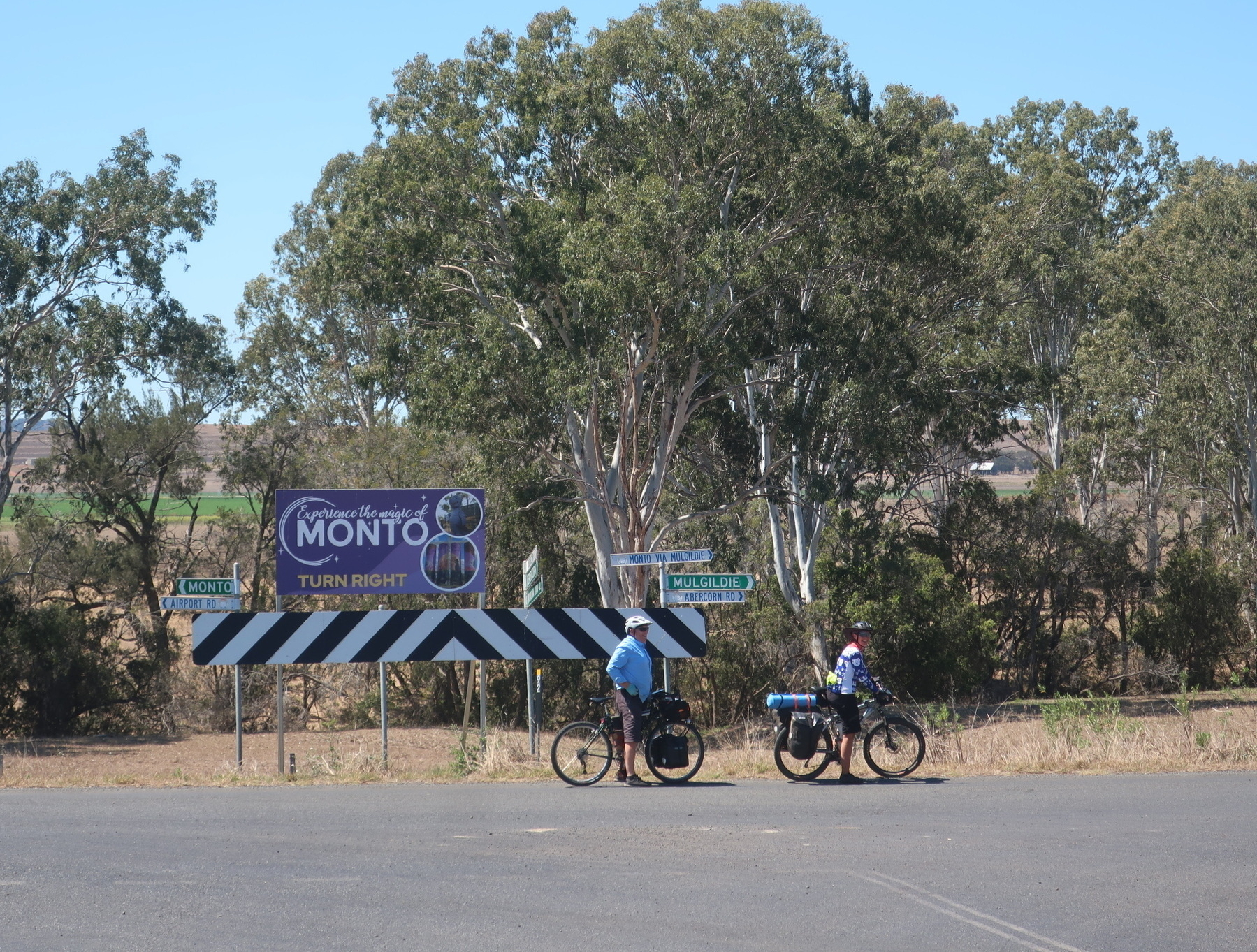
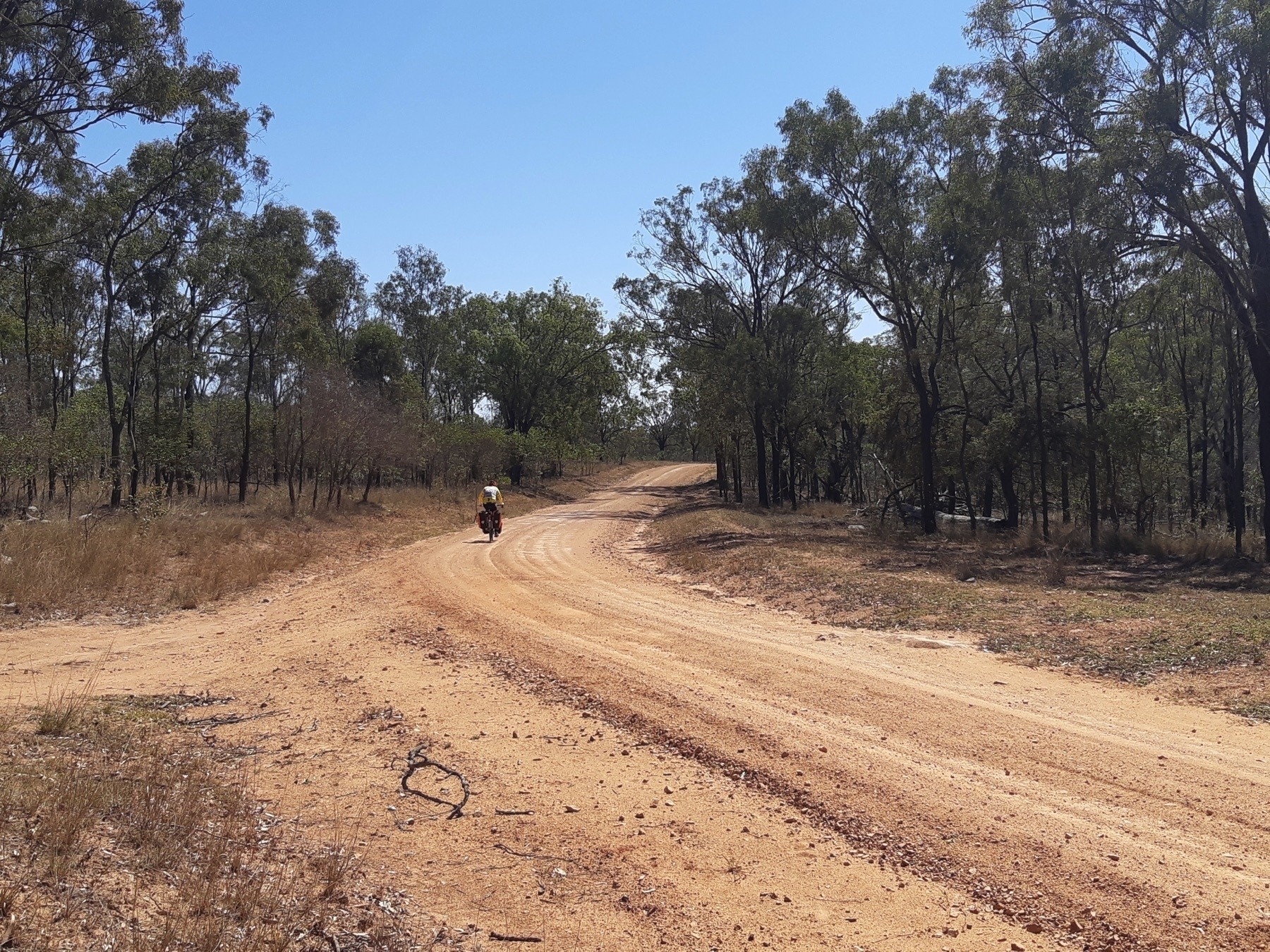
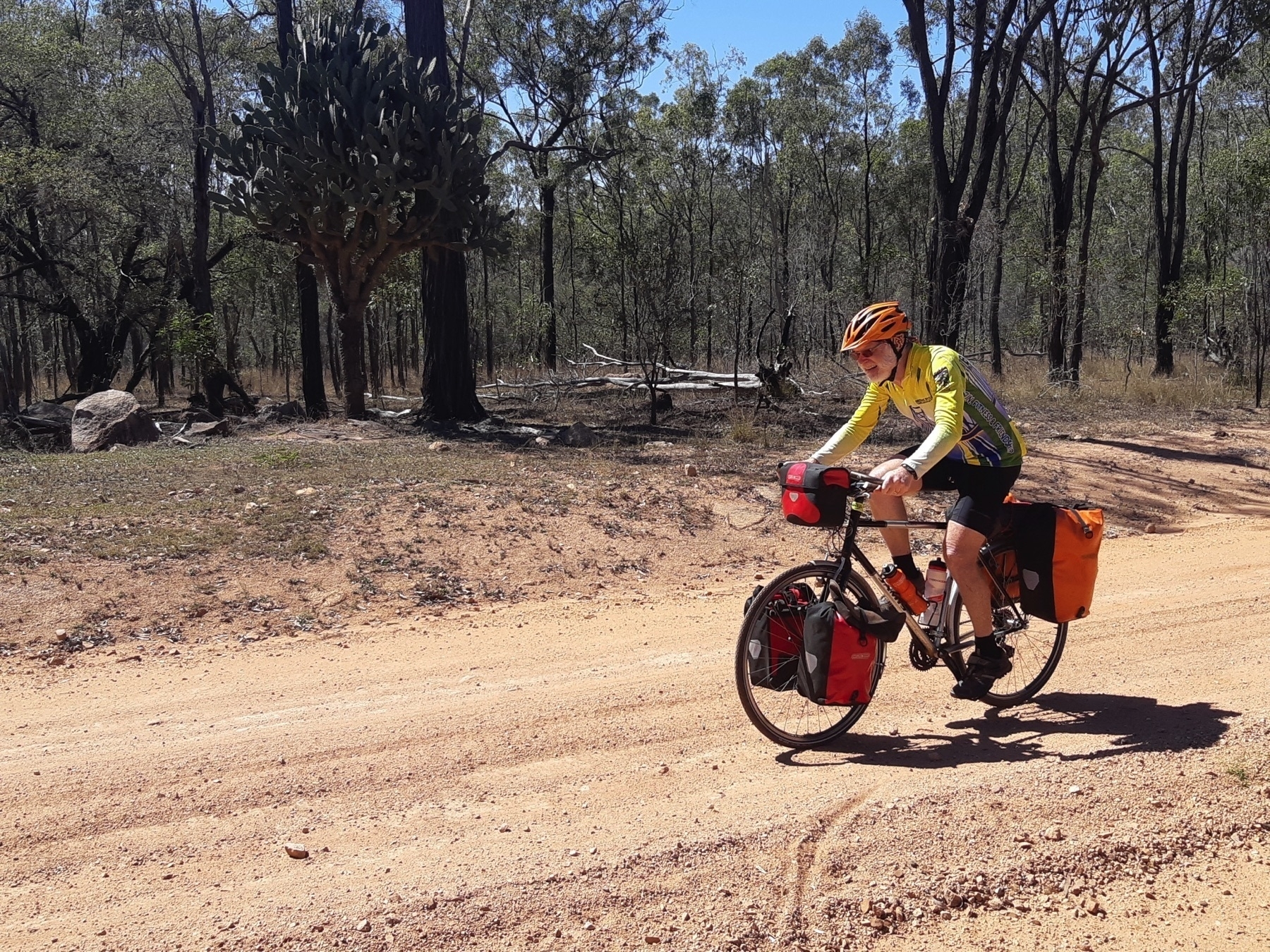
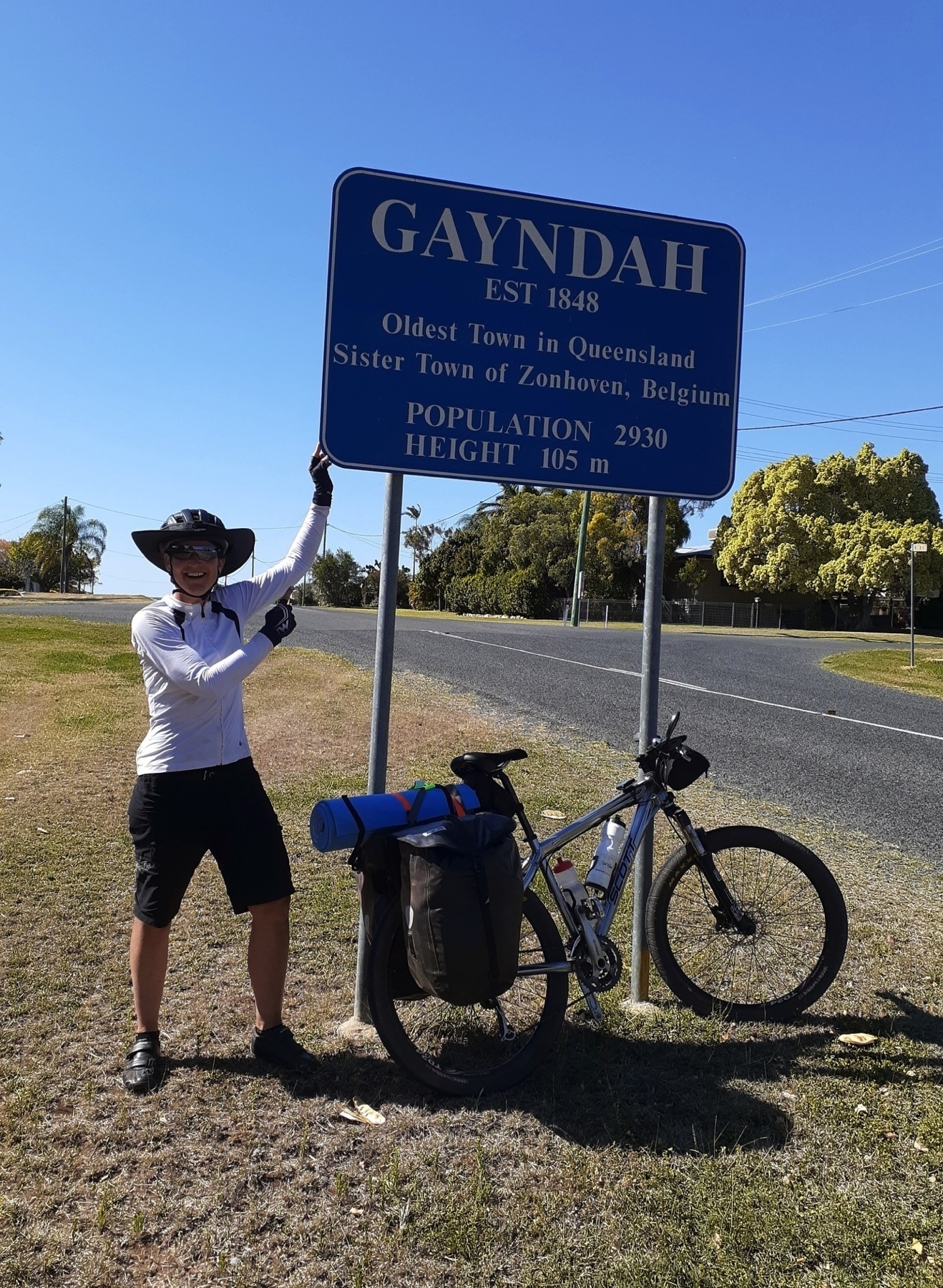
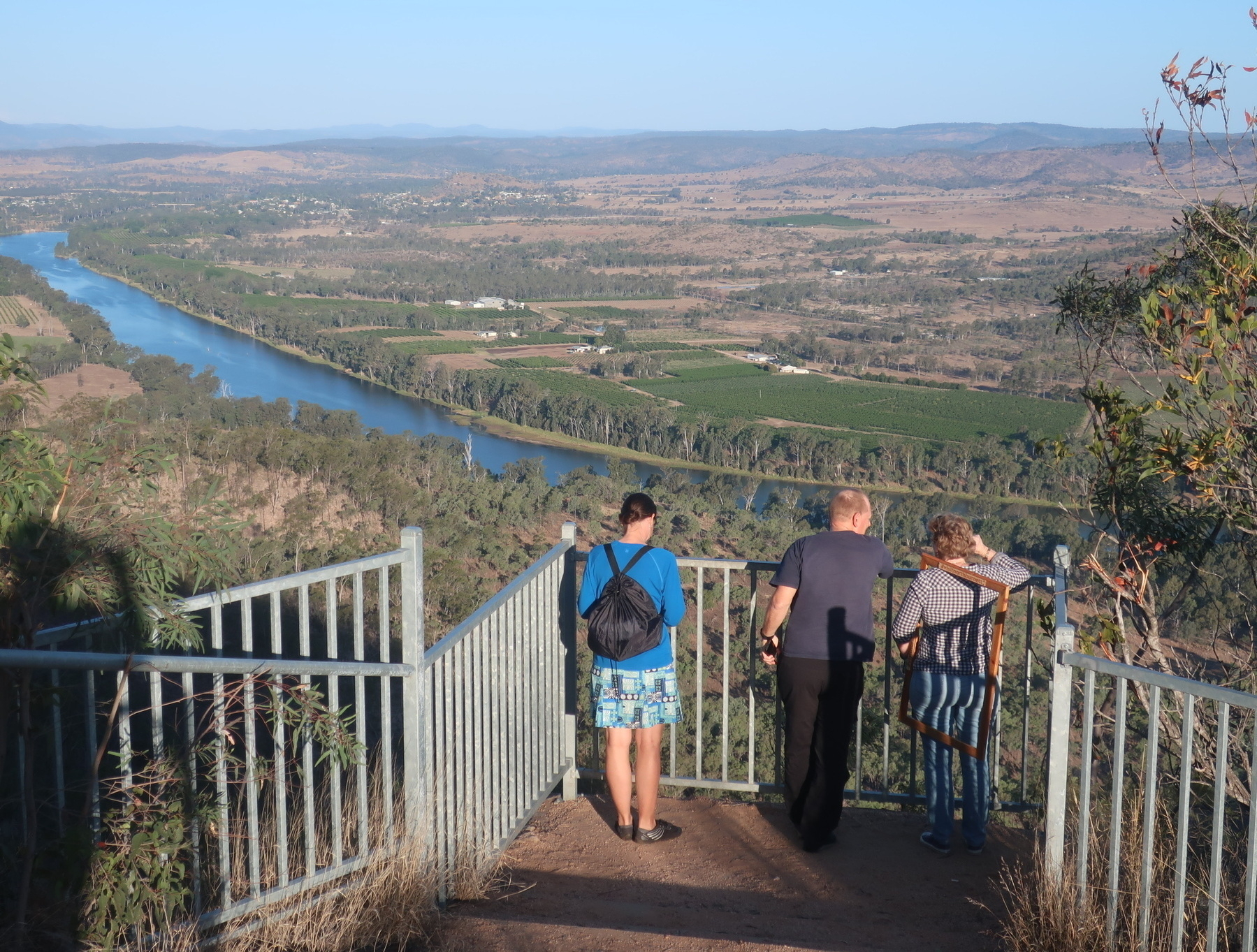
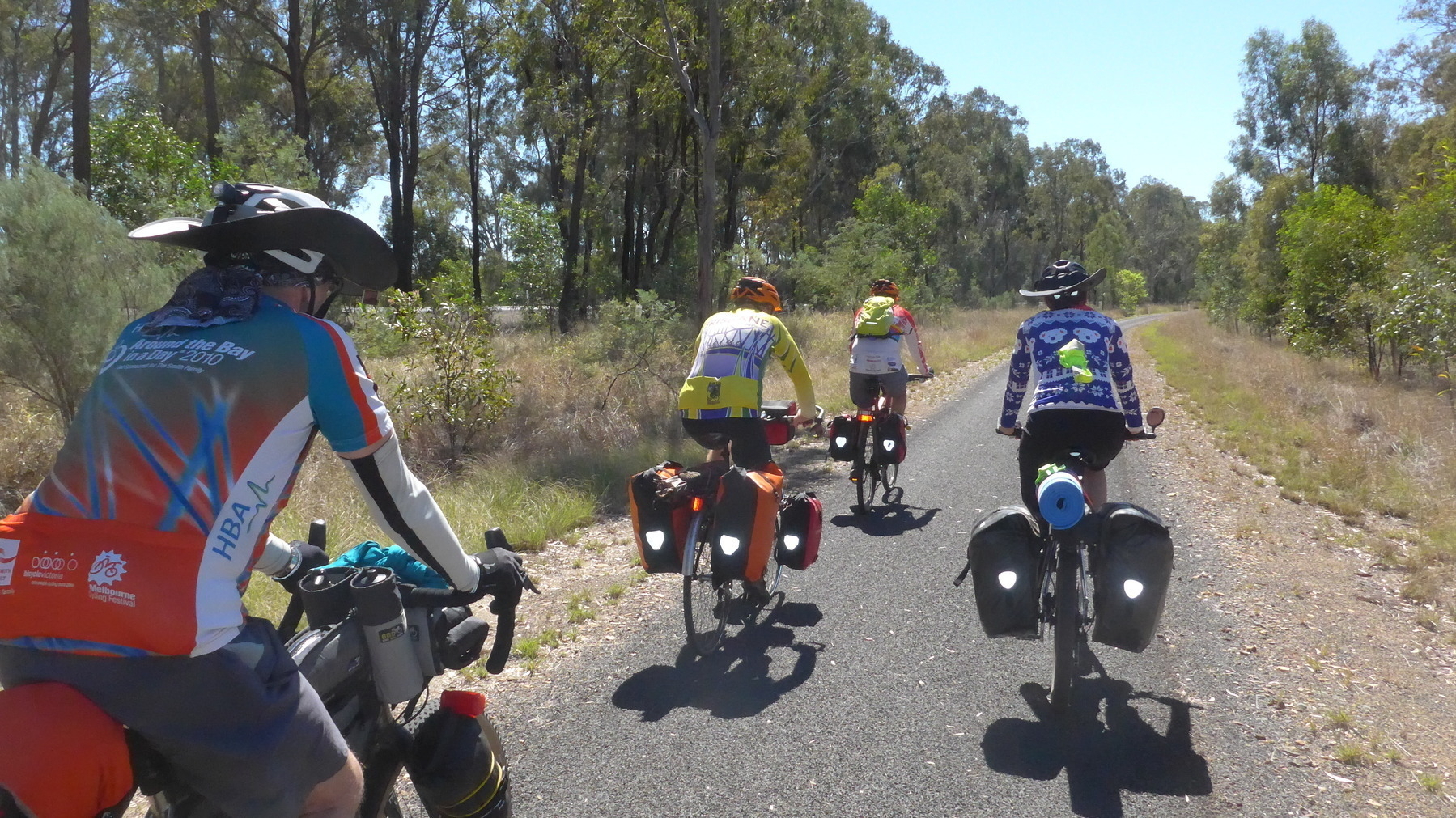
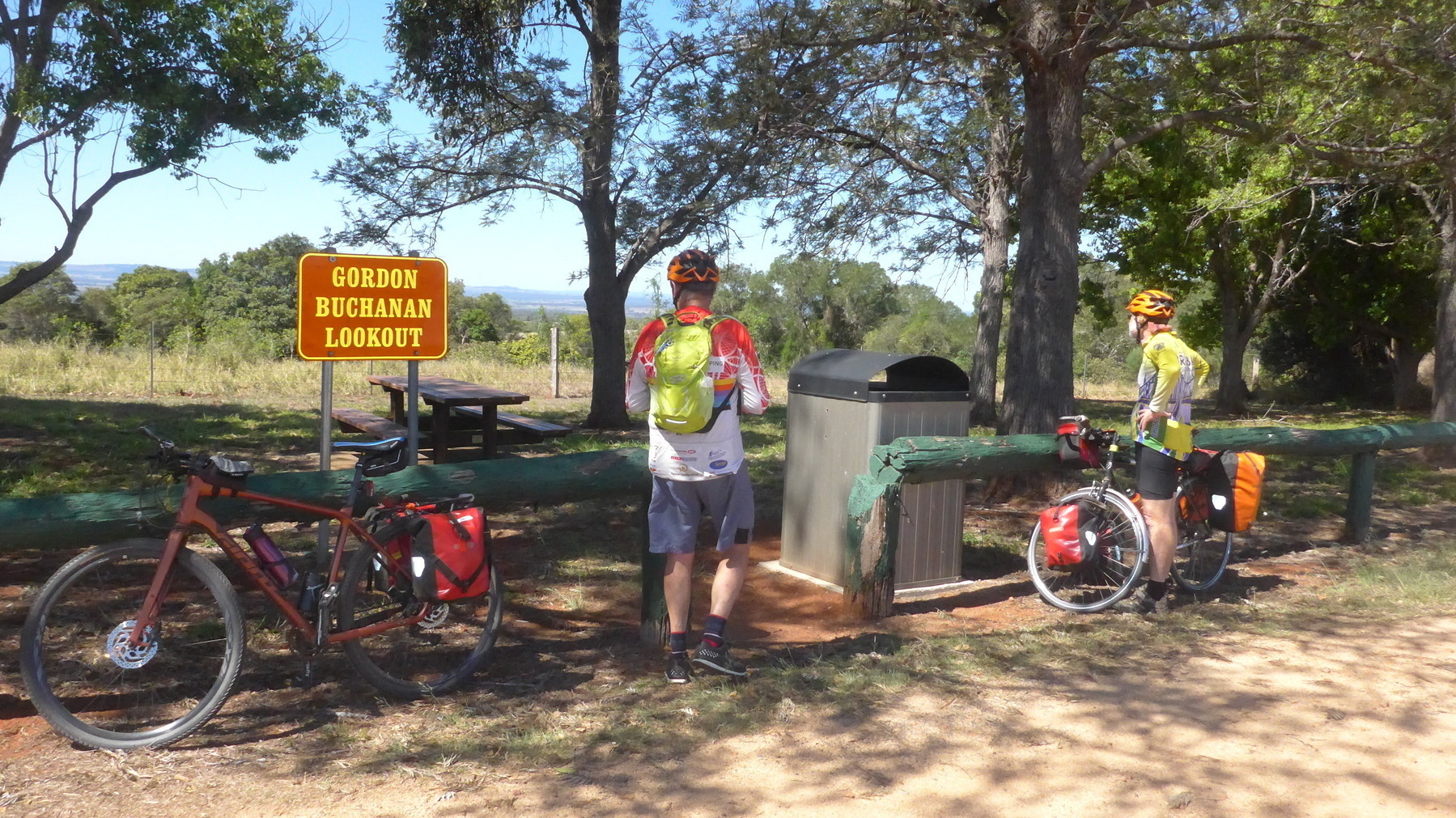
 Fiona on a steel bike, me on an aluminium bike. Loaded up and trucking and having the time of our lives.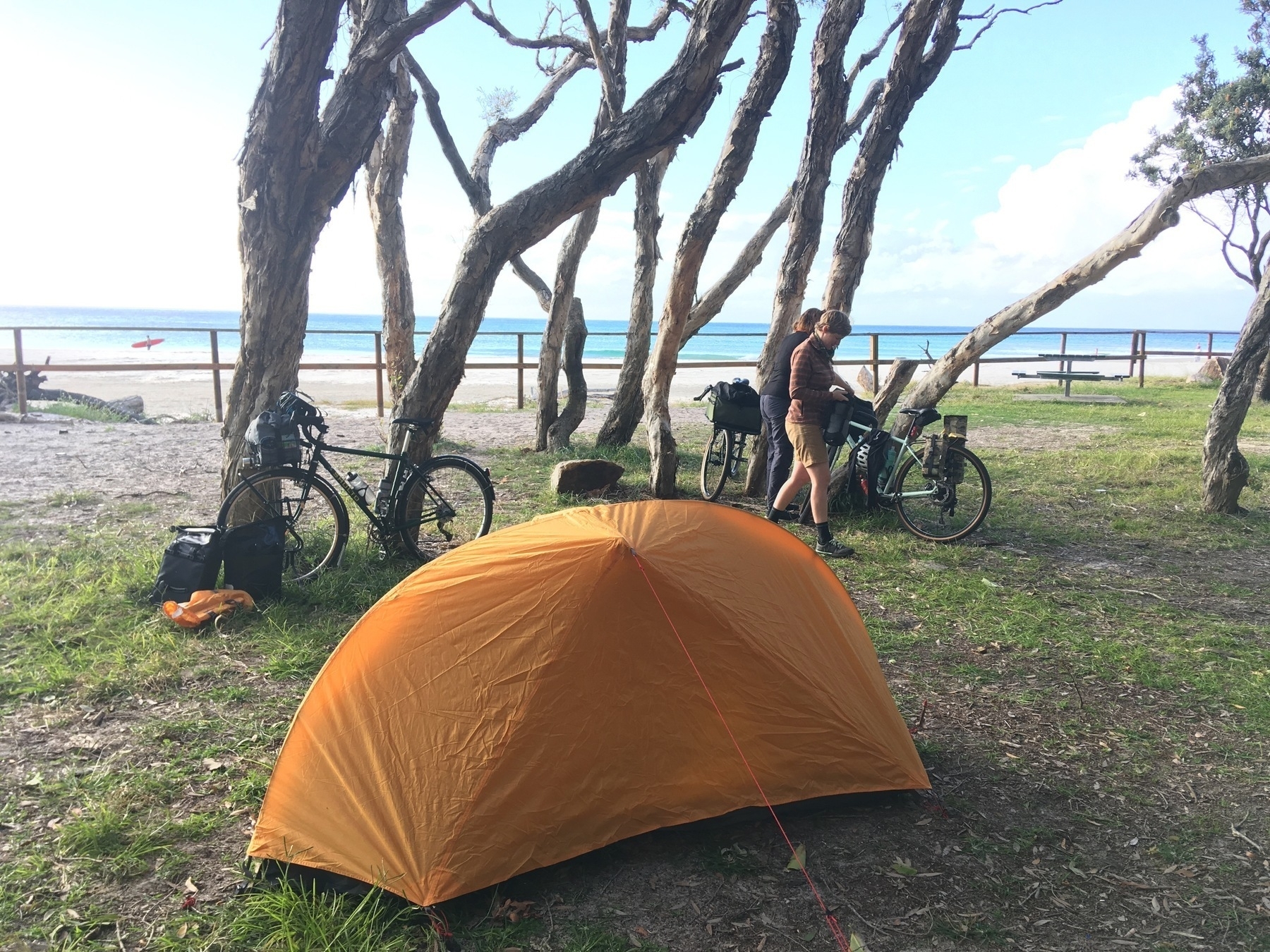

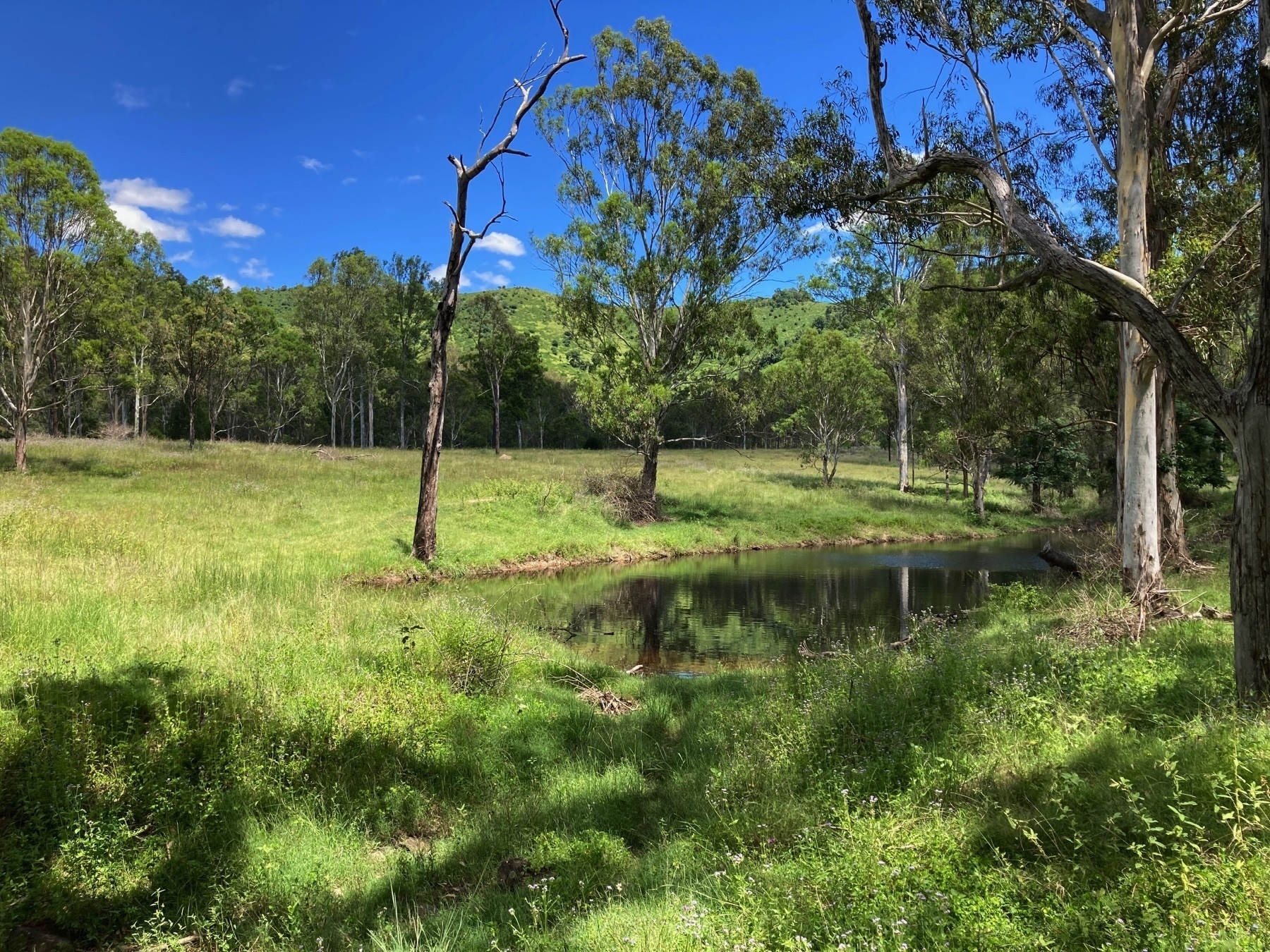
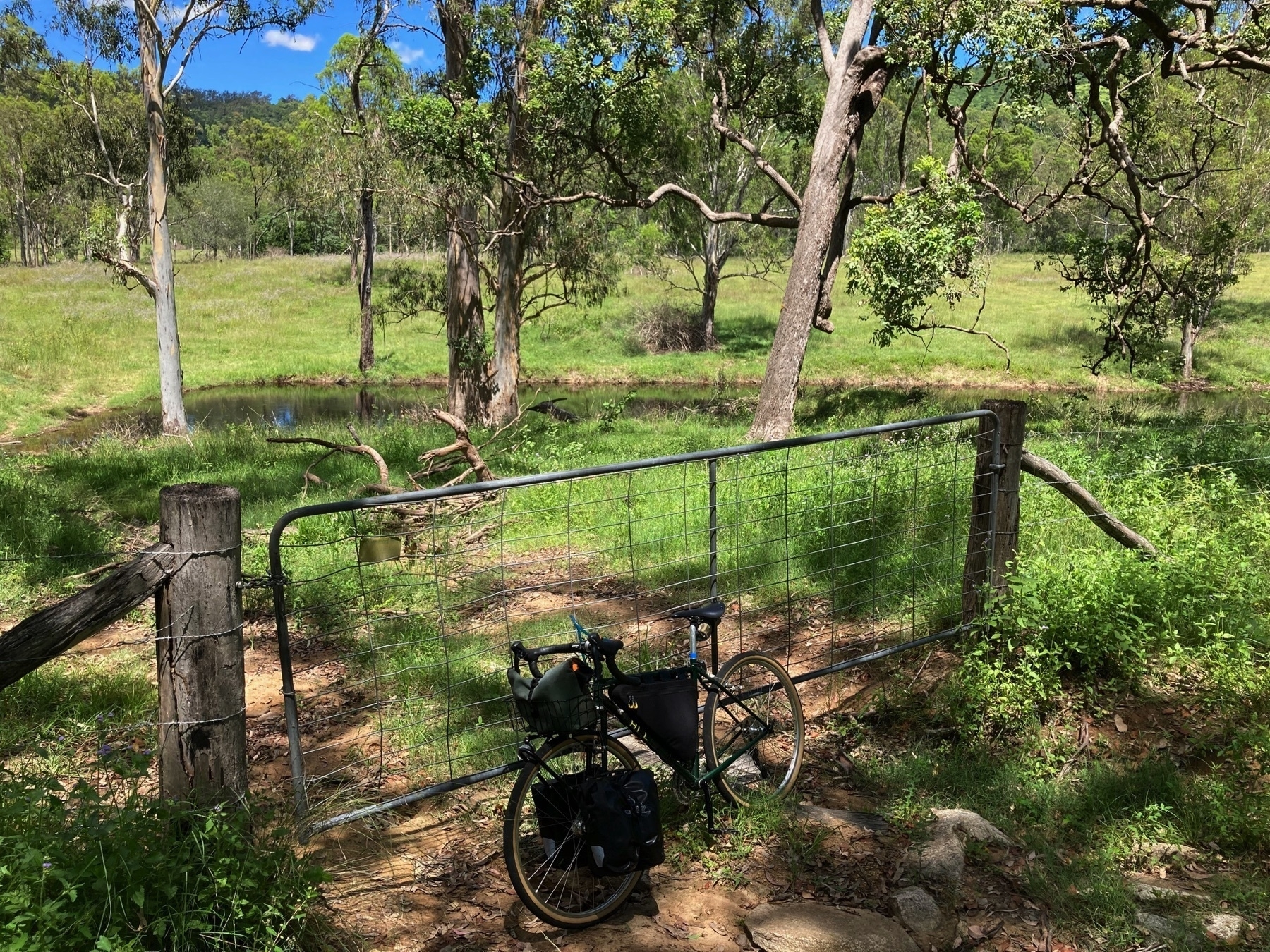
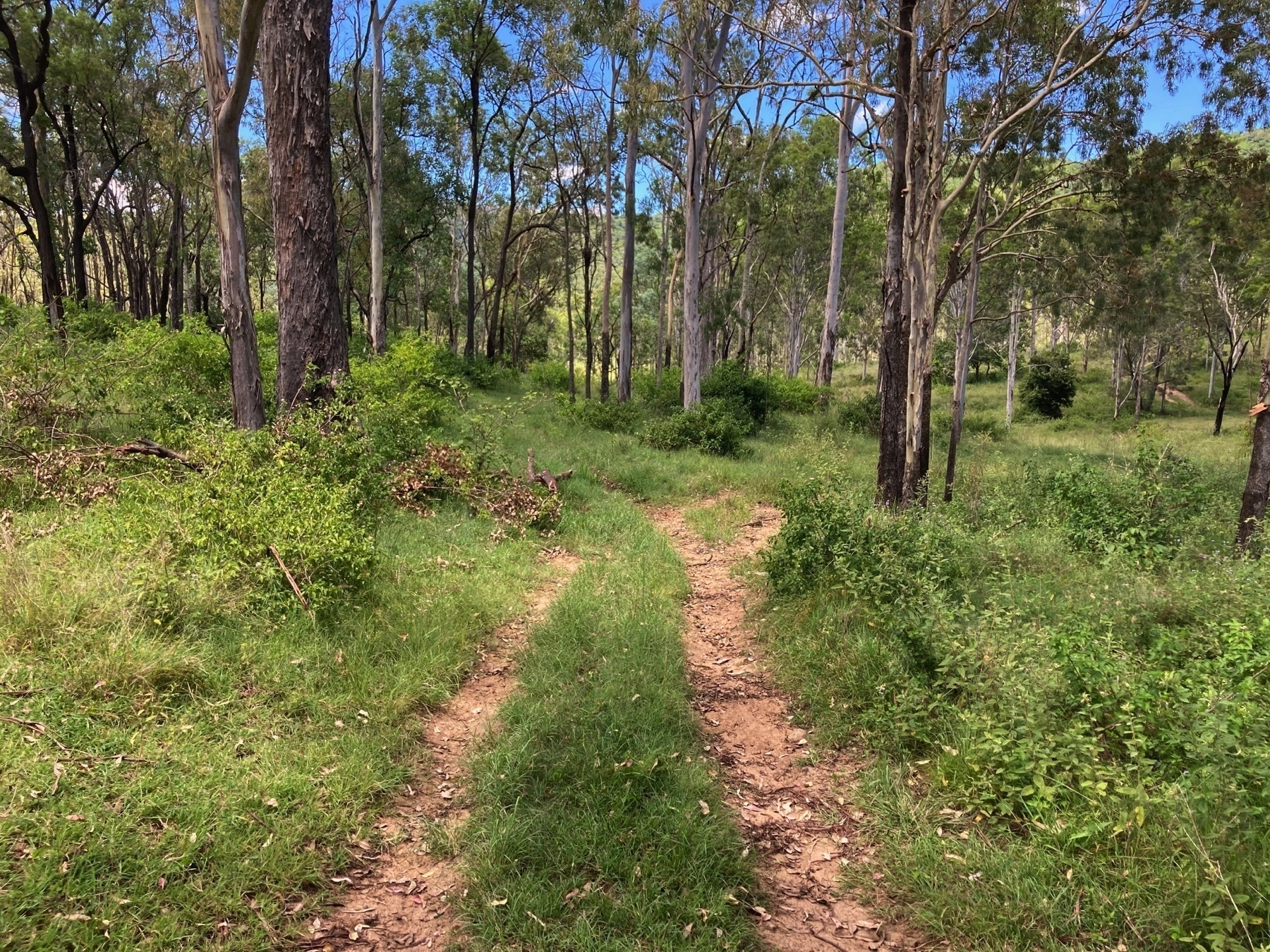
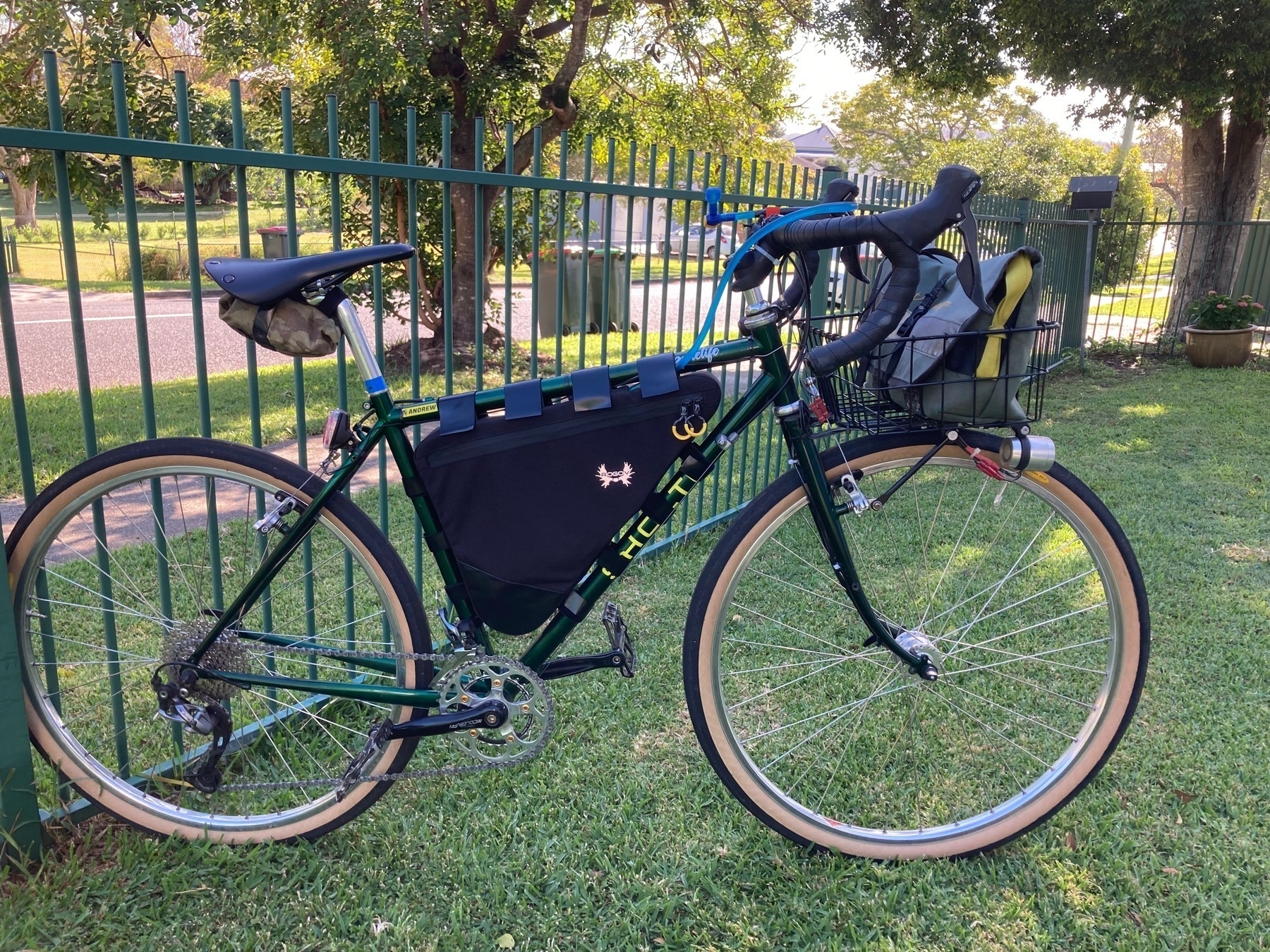


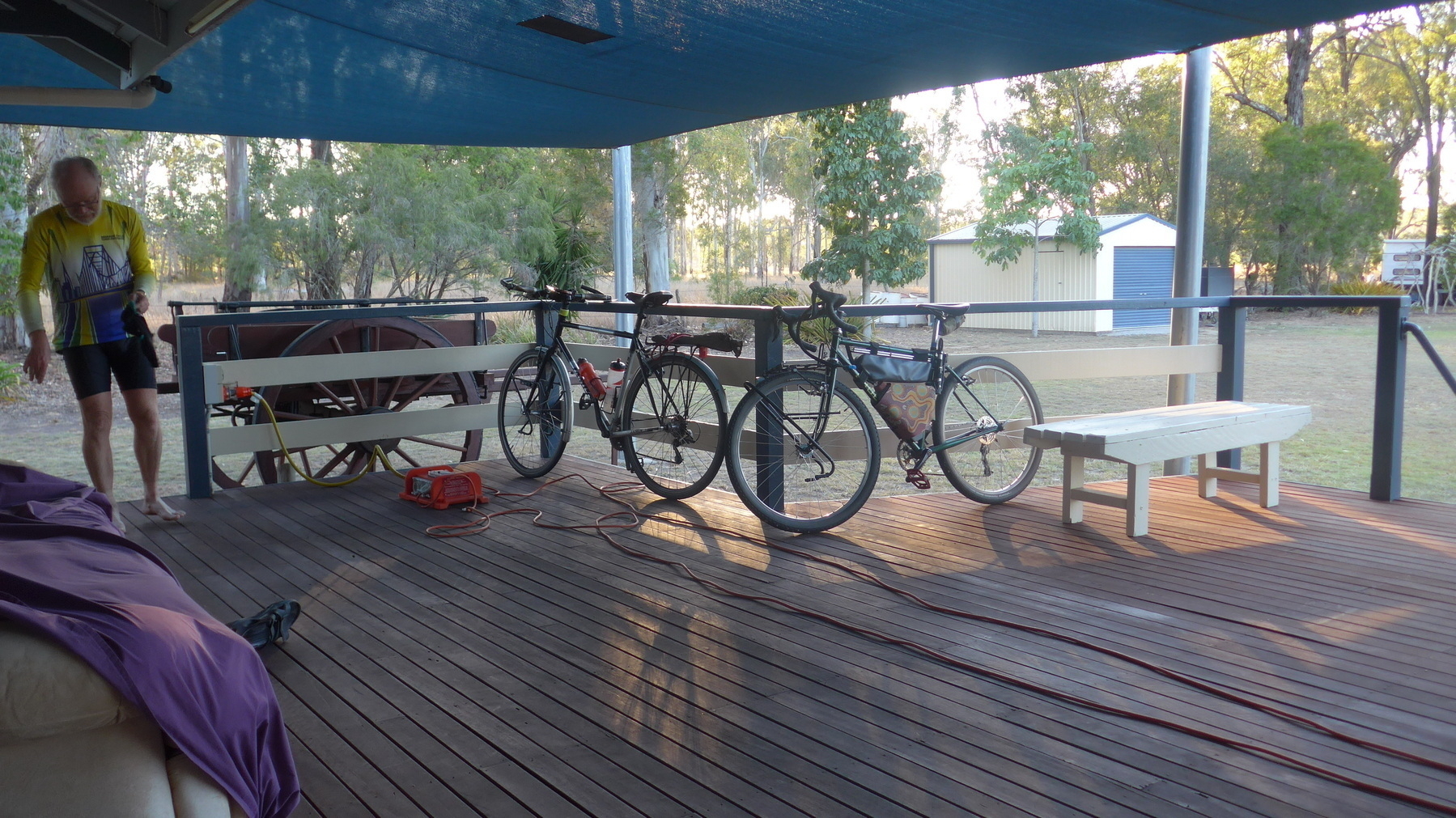
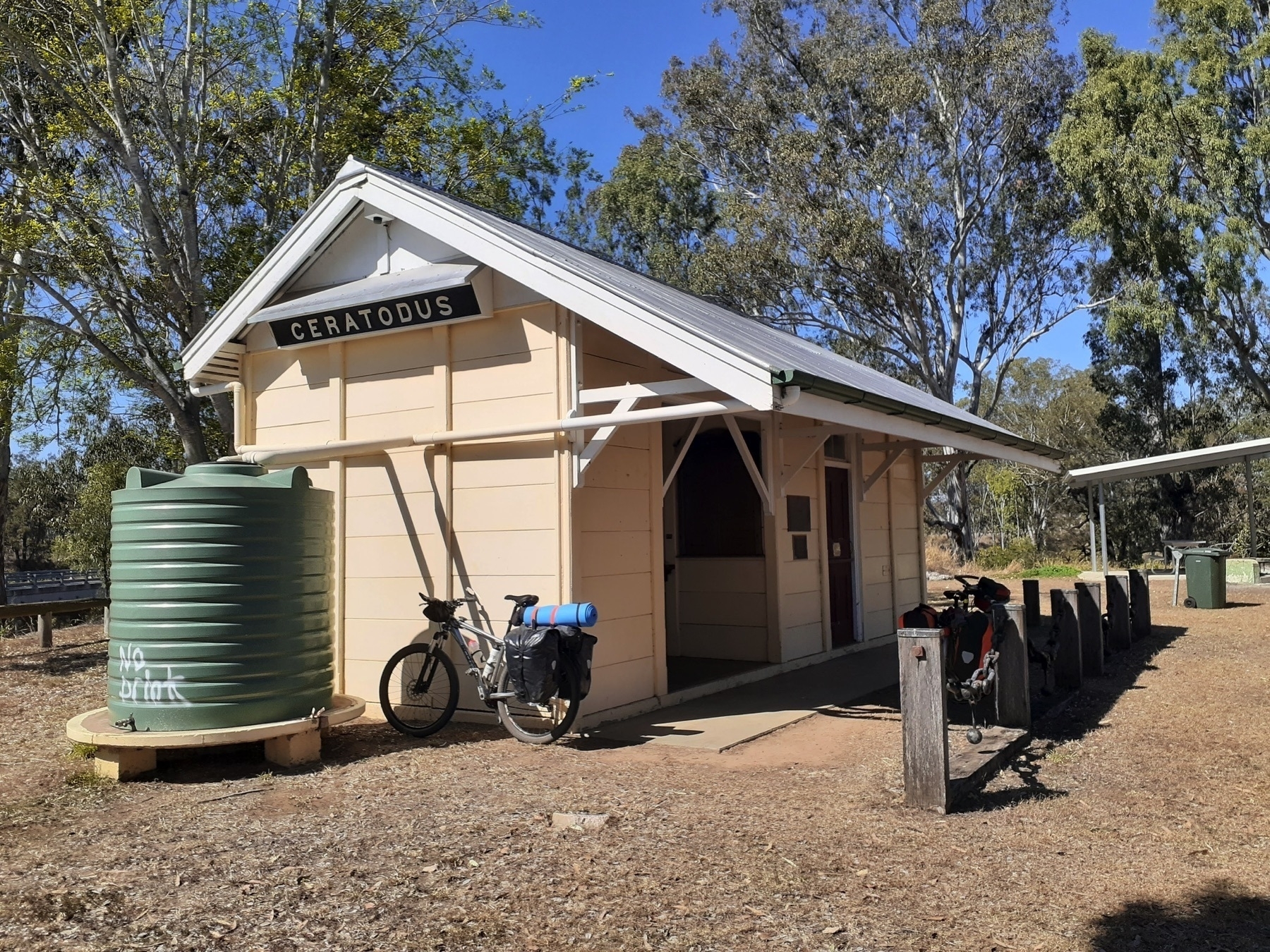
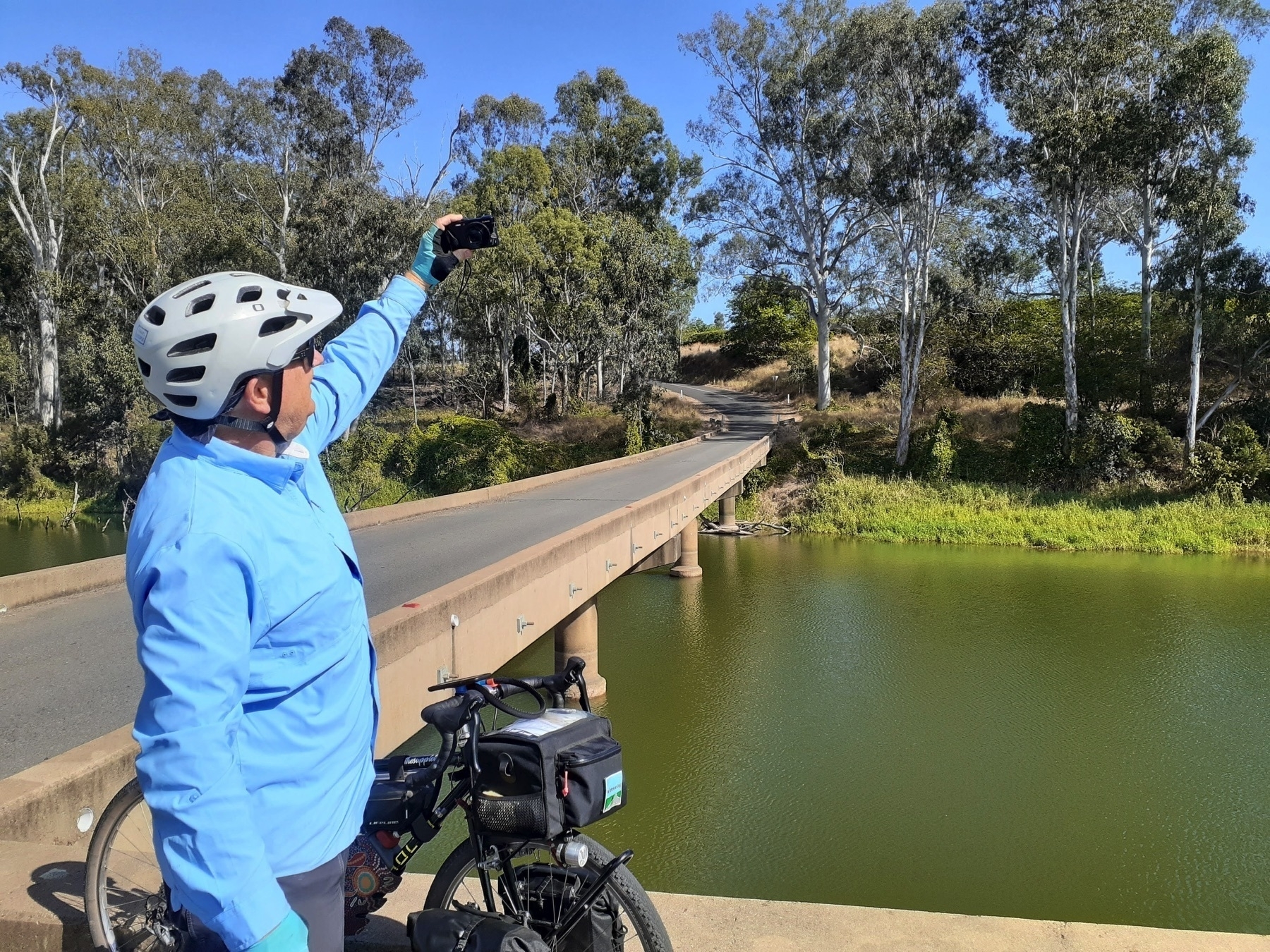




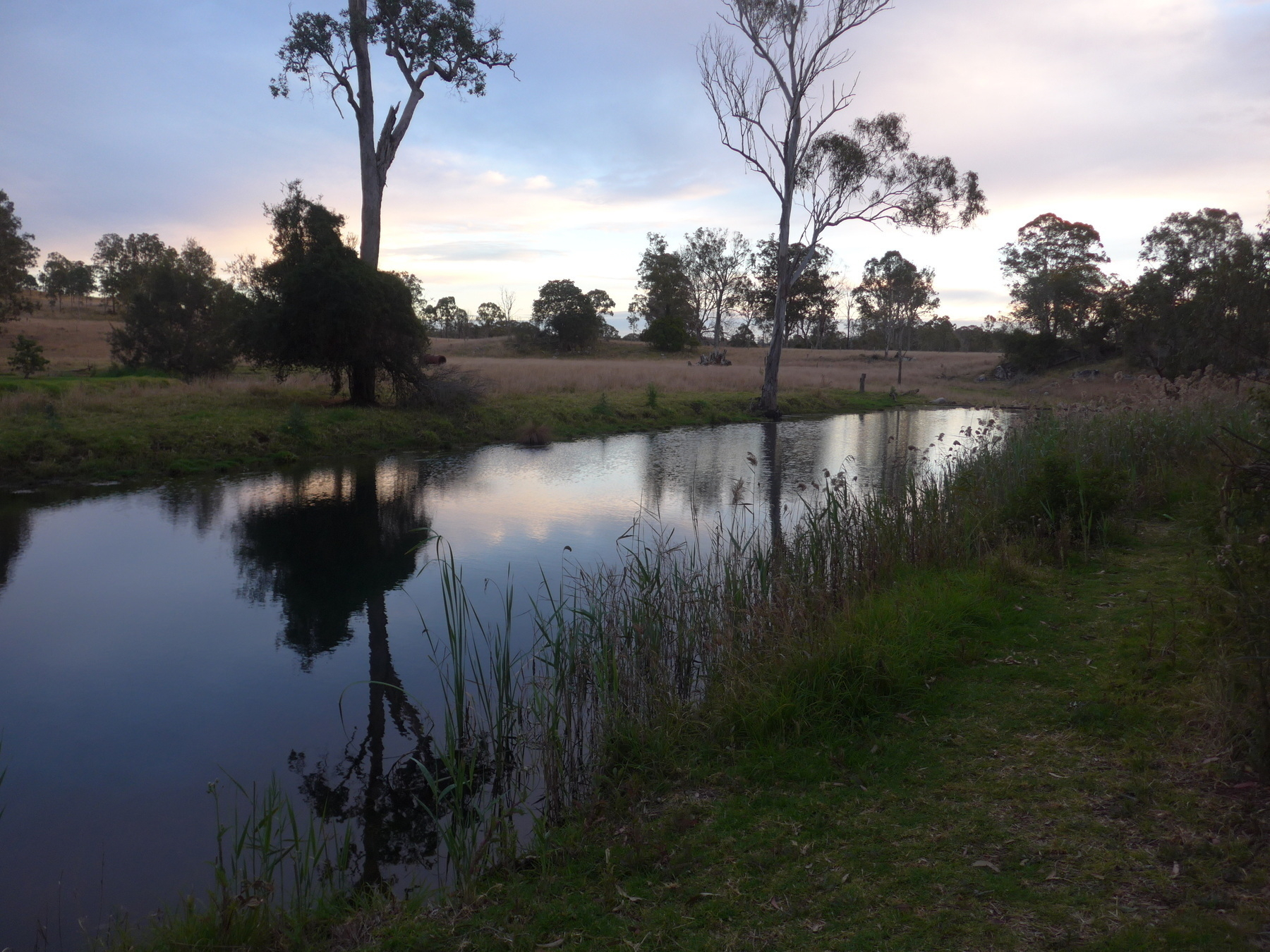 *Peaceful morning scene at Yarraman Weir.*